



BIS Issues Extended Reality Products Certification Guidelines in India
26. March 2026The BIS certification for Extended Reality products has entered a new phase following the release of updated implementation guidelines by the Bureau of Indian Standards (BIS). The guidance applies to Extended Reality (XR) products, including Augmented Reality (AR), Virtual Reality (VR), and Mixed Reality (MR) devices, and aligns with the Ministry of Electronics and Information Technology (MeitY) notification issued on 29 October 2025.
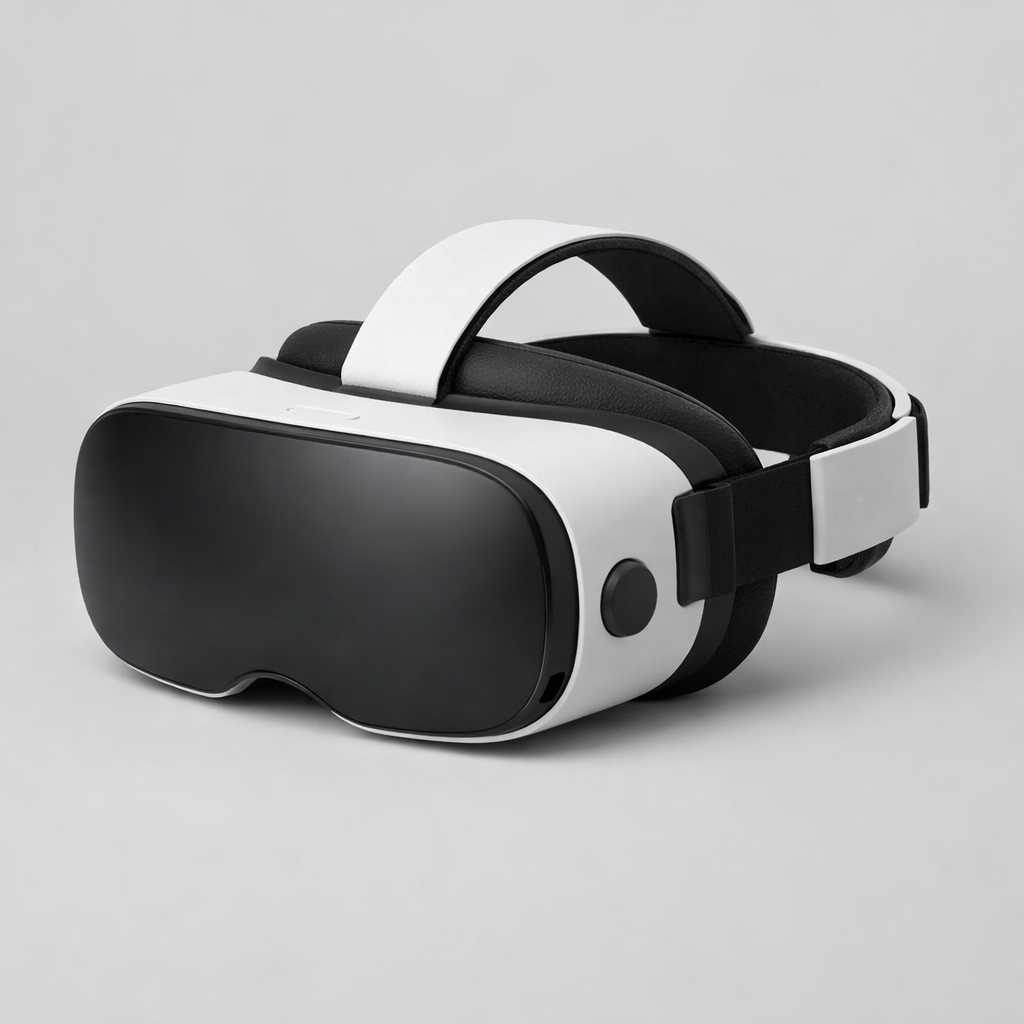
The updated framework mandates compliance under the BIS Compulsory Registration Scheme (CRS), introducing the safety standard IS/IEC 62368-1:2023 for XR devices. A transition period allows manufacturers to continue using legacy standards such as IS 13252-1 or IS 616 alongside the new requirements until 1 May 2026. After this deadline, only licenses based on IS/IEC 62368-1 will remain valid. Extended Reality (XR) products usually require BIS certification in order to be approved for import and sale in India.
Transition Requirements for Existing License Holders
Manufacturers currently holding BIS licenses for XR devices must undertake a structured transition to the new standard before the May 2026 deadline. This includes re-testing lead models in BIS-recognized laboratories according to IS/IEC 62368-1:2023 and submitting updated test reports through the BIS online portal. Additionally, manufacturers must provide a formal declaration confirming that all associated product series comply with the revised standard.
Failure to meet these requirements within the specified timeframe may result in regulatory consequences, including license cancellation or removal of specific models from the approved scope. Upon successful verification, BIS will issue confirmation documentation listing compliant models, ensuring continued market access.
Application and Scope Change Provisions
The guidelines also define clear pathways for new applicants and modifications to existing licenses. Applications submitted under previous standards may still be processed, and new applications can be filed under either the old or new standards until 1 May 2026. However, applicants choosing the legacy standards must commit to transitioning to IS/IEC 62368-1 before the deadline.
After the transition period, BIS will no longer accept applications based on outdated standards. Similarly, any request to expand or modify a license scope—such as adding new XR models—must follow the same transitional rules. Requests under older standards will only be considered within the defined timeframe or until the manufacturer initiates the switchover process.
Overall, the updated BIS framework reflects India’s effort to enhance safety and regulatory oversight for emerging XR technologies. Manufacturers and exporters targeting the Indian market are advised to prioritize early compliance with IS/IEC 62368-1:2023 to avoid disruptions. Further regulatory updates and certification guidance may be referenced through official BIS resources and related compliance channels.
If you are interested in understanding what requirements are needed for your product to be imported into India, please do not hesitate to contact us by email or phone (Europe: +49-69-271 37 69 261, US: +1 773 654-2673). If a certification need is discovered we can provide a quotation to make sure that all your certification needs are covered.
If you have any questions you can also use our chat-window in the bottom right. (Please check your browser settings if you can’t see the window)
For more information about BIS certification, please refer to our free brochure “BIS Certification Made Easy“.