


Schließen


India Outlines Frequency Use for 5G, 6G, and Audio Devices Under NFAP-2025
India’s Department of Telecommunications has released the National Frequency Allocation Plan (NFAP-2025), setting the groundwork for revised spectrum usage and regulatory developments. The plan includes updates from the Wireless Planning & Coordination (WPC) Wing concerning frequency allocations for emerging 5G and 6G technologies, as well as wireless audio equipment such as microphones and in-ear monitors. As part of this initiative, the 6425–7025 MHz band is designated for International Mobile Telecommunications (IMT), covering 5G and 6G networks. However, deployment in this range is subject to restrictions in specific locations to prevent interference with satellite uplinks. Additionally, the 5875–5925 MHz range has been earmarked for Vehicle-to-Everything (V2X) and Intelligent Transport Systems (ITS), while maintaining compatibility with existing services operating in the same band. 5G/6G & Audio Devices usually require WPC Certification in order to be approved for import and sale in India.
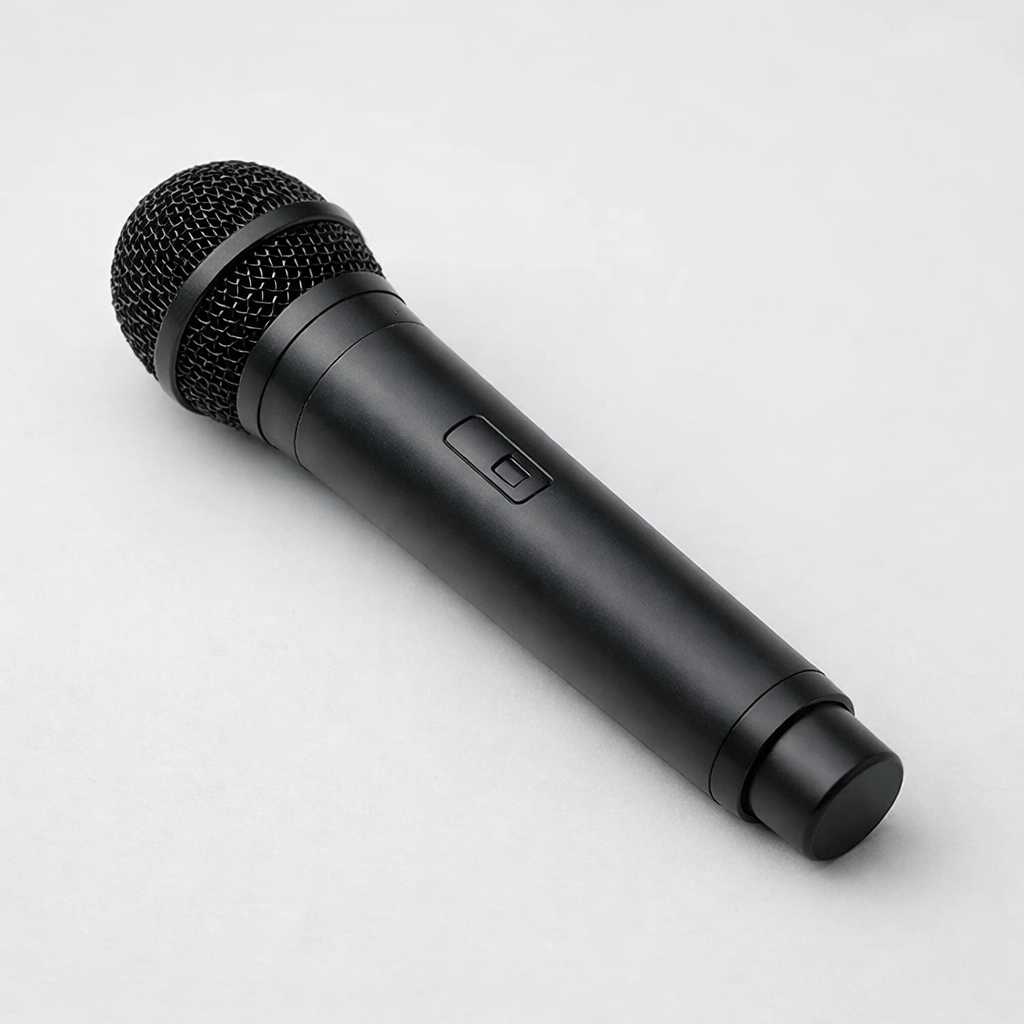
For wireless microphones and related low-power audio equipment, spectrum use in the 174–230 MHz and 470–612 MHz ranges may be granted on a case-by-case basis. These devices must operate within a maximum power limit of 100 mW (e.i.r.p.) and are not permitted to interfere with existing licensed services, nor are they protected from potential interference. While the NFAP itself outlines high-level frequency allocations, detailed regulatory requirements—including licensing, technical standards, and product compliance obligations—will be issued separately through notifications by WPC or the Department of Telecommunications (DoT). Until such directives are released, manufacturers and importers must await formal documentation to determine applicable compliance rules.
WPC certification is necessary for wireless products in order to be used and sold in India.
The national broadcasting authority WPC (Wireless Planning & Coordination) is responsible for this certification, in order to regulate the issuing of issuing of amateur radio licenses and the allocation and monitoring of the frequency spectrum.
If you are interested in understanding what requirements are needed for your product to be imported into India, please do not hesitate to contact us by email or phone (Europe: +49-69-271 37 69 261, US: +1 773 654-2673). There is no cost or obligation for us to check for you. If a certification need is discovered we can provide a quotation to make sure that all your certification needs are covered.
For more information about WPC certification, please refer to our free brochure “WPC Certification Made Easy“.
Revised SRRF Exemption List Facilitates Easier WPC Compliance for Wireless Devices in India
The Wireless Planning and Coordination (WPC) Wing of India’s Department of Telecommunications has expanded the list of wireless equipment exempt from licensing requirements. This update, dated January 18, 2024, introduces a revised exemption list encompassing additional low power, short range radio frequency (SRRF) devices. The new exemption list includes a variety of applications such as Wi-Fi, Bluetooth, RFID, UWB, V2X, and drone-related communication systems operating within designated frequency bands. These changes aim to align India’s wireless device regulations with global practices, facilitating smoother market access for new technologies. Wireless modules and devices operating under SRRF conditions usually require WPC certification in order to be approved for import and sale in India.
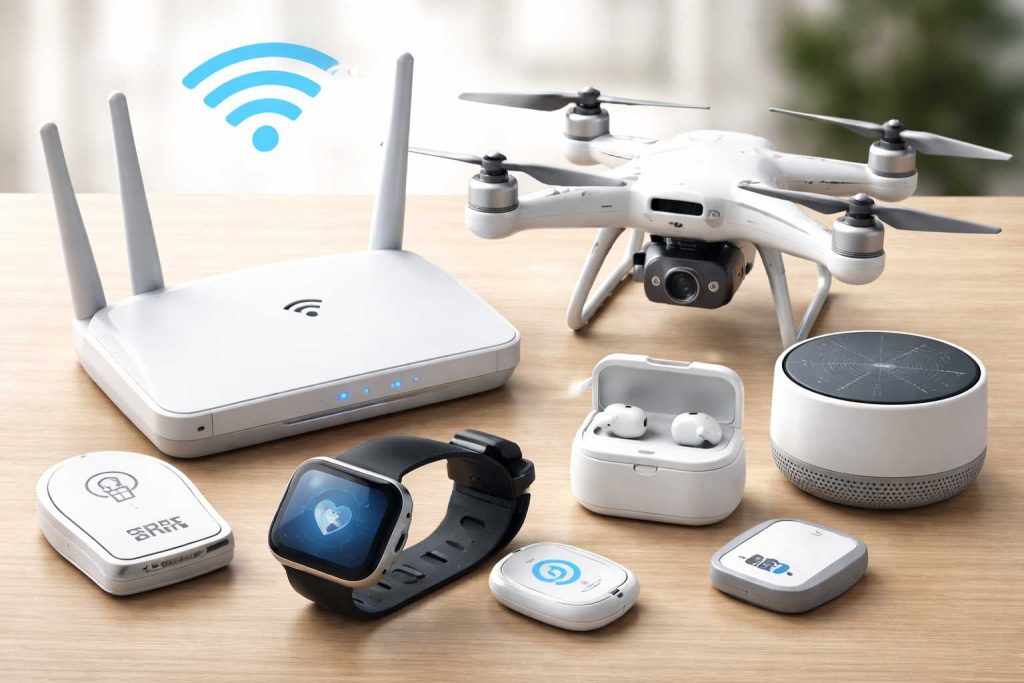
As part of the changes, equipment operating in specific frequency ranges—such as 865–868 MHz for RFID and 2400–2483.5 MHz for Bluetooth and Wi-Fi—are now allowed to operate without a license, provided they comply with power output and bandwidth restrictions outlined in the notice. These exemptions are expected to significantly ease regulatory burdens for manufacturers and importers of wireless-enabled products. The document also includes technical specifications for compliance and clarifies applicability for each category of equipment.
WPC certification is necessary for wireless products in order to be used and sold in India.
The national broadcasting authority WPC (Wireless Planning & Coordination) is responsible for this certification, in order to regulate the issuing of issuing of amateur radio licenses and the allocation and monitoring of the frequency spectrum.
If you are interested in understanding what requirements are needed for your product to be imported into India, please do not hesitate to contact us by email or phone (Europe: +49-69-271 37 69 261, US: +1 773 654-2673). There is no cost or obligation for us to check for you. If a certification need is discovered we can provide a quotation to make sure that all your certification needs are covered.
For more information about WPC certification, please refer to our free brochure “WPC Certification Made Easy“.
BIS Requirement for Machinery in India Suspended – Components Still Affected
The Indian government has lifted, with immediate effect, the previously applicable approval requirement for machinery and plant equipment under BIS Scheme X. This is based on a recent decision by the Ministry of Heavy Industries dated 14 January 2026, which officially repeals the “Machinery and Electrical Equipment Safety (Omnibus Technical Regulation) Order, 2024”. The decision was made pursuant to Section 16 of the Bureau of Indian Standards Act, 2016, and is justified on the grounds of public interest. Machinery and plant equipment in particular would have been subject to the announced BIS Scheme X certification requirement. Despite the suspension for complete machinery and plant equipment, the requirements of BIS Schemes I and II remain fully in force for affected components and spare parts. Manufacturers should therefore carefully review all shipments to India for any potential certification obligations for individual parts.

This unexpected change has an immediate impact on ongoing certification projects and leads to temporary legal uncertainty. In recent months, there have already been several short-notice changes to the timeline and requirements relating to machinery safety. Whether and when the topic will be taken up again is currently unclear. A reassessment of the regulatory situation and alignment on the next steps is required.
If you are interested in understanding what requirements are needed for your product to be imported into India, please do not hesitate to contact us by email or phone (Europe: +49-69-271 37 69 261, US: +1 773 654-2673). If a certification need is discovered we can provide a quotation to make sure that all your certification needs are covered.
If you have any questions you can also use our chat-window in the bottom right. (Please check your browser settings if you can’t see the window)
For more information about BIS certification, please refer to our free brochure “BIS Certification Made Easy“.
BIS Eases Testing Lab Requirements for Domestic Manufacturers
The Bureau of Indian Standards (BIS) has issued a circular introducing key relaxations for domestic manufacturers under its Product Certification Scheme. Notably, companies are no longer required to maintain in-house testing laboratories. Instead, manufacturers can now utilize flexible testing alternatives such as shared facilities, cluster-based testing centers, or subcontracted testing through either BIS-recognized laboratories or any ISO/IEC 17025-accredited labs. Additionally, the Scheme of Inspection and Testing (SIT), once mandatory, is now only recommended. Manufacturers are allowed to implement their own Quality Assurance Plan (QAP) as long as it aligns with relevant Indian Standards. Many products usually require BIS certification in order to be approved for import and sale in India.

However, the relaxed norms exclude certain product groups. These include items regulated by the DPIIT and PESO, such as products requiring pre-dispatch or lot inspections, as well as cement products overseen by the DPIIT/Cement Desk. Food products, protective helmets for two-wheeler riders, and any products for which BIS certification is based on factory testing are also exempt. This regulatory update aims to ease compliance and enhance flexibility, particularly for MSMEs and those using shared infrastructure.
If you are interested in understanding what requirements are needed for your product to be imported into India, please do not hesitate to contact us by email or phone (Europe: +49-69-271 37 69 261, US: +1 773 654-2673). If a certification need is discovered we can provide a quotation to make sure that all your certification needs are covered.
If you have any questions you can also use our chat-window in the bottom right. (Please check your browser settings if you can’t see the window)
For more information about BIS certification, please refer to our free brochure “BIS Certification Made Easy“.
WPC Expands Mandatory Licensing to Cover Smart Devices and Wireless Electronics
Following recent updates from India’s Wireless Planning and Coordination (WPC) Wing, 42 new products have been added to the list of equipment requiring mandatory WPC approval under the import licensing process. These products primarily fall within the categories of smart devices, wireless chargers, IoT gateways, and other short-range radio communication equipment operating in license-free frequency bands. The updated list also includes wireless-enabled variants of commonly used electronics, such as smart speakers, barcode scanners, and point-of-sale terminals. These changes expand the scope of the existing import regulations to encompass newer technologies and product variations. Smart devices and wireless-enabled electronics usually require WPC certification in order to be approved for import and sale in India.

The revised product list was issued on December 20, 2023, and became effective immediately. It includes HS codes and detailed product descriptions, allowing manufacturers, importers, and compliance specialists to verify whether their products are now subject to licensing. Applicants are encouraged to use the Saral Sanchar portal for submission of license applications and to consult the updated guidelines provided by the Department of Telecommunications.
If you need assistance with your WPC Certification or have any questions, you can contact us any time. Call us directly:
EU: +49-69-2713769261
US: +1-773-654-2673
Or via email.
For more information regarding the WPC certification, please read our free information booklet “WPC Certification – The Booklet“.
Indian Authorities close at the Turn of the Year – 2025/26
At the end of 2025 and the beginning of 2026, Indian authorities and certification bodies will be closed.
On January 1, 2026 the authorities will be closed for the New Year’s Day. The offices will resume their work on January 2, 2026. This closure period over the turn of the year can lead to delays in certification processes.

Although New Year’s Eve is celebrated rather quietly in Korea compared to the Spring Festival, it is still a noticed time. Many state authorities will also be closed on Republic Day, celebrated in India on 26 January 2026.
MPR International GmbH will continue to support you in your certification processes in the new year. We wish you a successful New Year 2026!
 We are part of the CERTANIA-Group.