


Schließen


Revised SRRF Exemption List Facilitates Easier WPC Compliance for Wireless Devices in India
The Wireless Planning and Coordination (WPC) Wing of India’s Department of Telecommunications has expanded the list of wireless equipment exempt from licensing requirements. This update, dated January 18, 2024, introduces a revised exemption list encompassing additional low power, short range radio frequency (SRRF) devices. The new exemption list includes a variety of applications such as Wi-Fi, Bluetooth, RFID, UWB, V2X, and drone-related communication systems operating within designated frequency bands. These changes aim to align India’s wireless device regulations with global practices, facilitating smoother market access for new technologies. Wireless modules and devices operating under SRRF conditions usually require WPC certification in order to be approved for import and sale in India.

As part of the changes, equipment operating in specific frequency ranges—such as 865–868 MHz for RFID and 2400–2483.5 MHz for Bluetooth and Wi-Fi—are now allowed to operate without a license, provided they comply with power output and bandwidth restrictions outlined in the notice. These exemptions are expected to significantly ease regulatory burdens for manufacturers and importers of wireless-enabled products. The document also includes technical specifications for compliance and clarifies applicability for each category of equipment.
WPC certification is necessary for wireless products in order to be used and sold in India.
The national broadcasting authority WPC (Wireless Planning & Coordination) is responsible for this certification, in order to regulate the issuing of issuing of amateur radio licenses and the allocation and monitoring of the frequency spectrum.
If you are interested in understanding what requirements are needed for your product to be imported into India, please do not hesitate to contact us by email or phone (Europe: +49-69-271 37 69 261, US: +1 773 654-2673). There is no cost or obligation for us to check for you. If a certification need is discovered we can provide a quotation to make sure that all your certification needs are covered.
For more information about WPC certification, please refer to our free brochure “WPC Certification Made Easy“.
BIS Requirement for Machinery in India Suspended – Components Still Affected
The Indian government has lifted, with immediate effect, the previously applicable approval requirement for machinery and plant equipment under BIS Scheme X. This is based on a recent decision by the Ministry of Heavy Industries dated 14 January 2026, which officially repeals the “Machinery and Electrical Equipment Safety (Omnibus Technical Regulation) Order, 2024”. The decision was made pursuant to Section 16 of the Bureau of Indian Standards Act, 2016, and is justified on the grounds of public interest. Machinery and plant equipment in particular would have been subject to the announced BIS Scheme X certification requirement. Despite the suspension for complete machinery and plant equipment, the requirements of BIS Schemes I and II remain fully in force for affected components and spare parts. Manufacturers should therefore carefully review all shipments to India for any potential certification obligations for individual parts.
This unexpected change has an immediate impact on ongoing certification projects and leads to temporary legal uncertainty. In recent months, there have already been several short-notice changes to the timeline and requirements relating to machinery safety. Whether and when the topic will be taken up again is currently unclear. A reassessment of the regulatory situation and alignment on the next steps is required.
If you are interested in understanding what requirements are needed for your product to be imported into India, please do not hesitate to contact us by email or phone (Europe: +49-69-271 37 69 261, US: +1 773 654-2673). If a certification need is discovered we can provide a quotation to make sure that all your certification needs are covered.
If you have any questions you can also use our chat-window in the bottom right. (Please check your browser settings if you can’t see the window)
For more information about BIS certification, please refer to our free brochure “BIS Certification Made Easy“.
BIS Eases Testing Lab Requirements for Domestic Manufacturers
The Bureau of Indian Standards (BIS) has issued a circular introducing key relaxations for domestic manufacturers under its Product Certification Scheme. Notably, companies are no longer required to maintain in-house testing laboratories. Instead, manufacturers can now utilize flexible testing alternatives such as shared facilities, cluster-based testing centers, or subcontracted testing through either BIS-recognized laboratories or any ISO/IEC 17025-accredited labs. Additionally, the Scheme of Inspection and Testing (SIT), once mandatory, is now only recommended. Manufacturers are allowed to implement their own Quality Assurance Plan (QAP) as long as it aligns with relevant Indian Standards. Many products usually require BIS certification in order to be approved for import and sale in India.

However, the relaxed norms exclude certain product groups. These include items regulated by the DPIIT and PESO, such as products requiring pre-dispatch or lot inspections, as well as cement products overseen by the DPIIT/Cement Desk. Food products, protective helmets for two-wheeler riders, and any products for which BIS certification is based on factory testing are also exempt. This regulatory update aims to ease compliance and enhance flexibility, particularly for MSMEs and those using shared infrastructure.
If you are interested in understanding what requirements are needed for your product to be imported into India, please do not hesitate to contact us by email or phone (Europe: +49-69-271 37 69 261, US: +1 773 654-2673). If a certification need is discovered we can provide a quotation to make sure that all your certification needs are covered.
If you have any questions you can also use our chat-window in the bottom right. (Please check your browser settings if you can’t see the window)
For more information about BIS certification, please refer to our free brochure “BIS Certification Made Easy“.
India Revokes Eight QCOs and Postpones Enforcement of PP Materials Standard
On 22 October 2025, India’s Department of Chemicals and Petrochemicals (DCPC), under the Ministry of Chemicals and Fertilizers, officially revoked six Quality Control Orders (QCOs). These included QCOs for Lauric Acid, Acid Oil, Palm Fatty Acids, Rice Bran Fatty Acids, Coconut Fatty Acids, and Hydrogenated Rice Bran Fatty Acids. Each of these orders, originally issued in April 2022, has been withdrawn with immediate effect following consultations with the Bureau of Indian Standards (BIS). Many products usually require BIS certification in order to be approved for import and sale in India.

Additionally, the DCPC has extended the enforcement date of the QCO for Polypropylene (PP) Materials for Moulding and Extrusion. Initially notified in 2024 and amended multiple times, the order is now scheduled to take effect on 24 April 2026. In a subsequent notification dated 24 October 2025, the Ministry announced the cancellation of QCOs concerning Acrylonitrile and Maleic Anhydride, which were previously introduced in April 2022.
If you are interested in understanding what requirements are needed for your product to be imported into India, please do not hesitate to contact us by email or phone (Europe: +49-69-271 37 69 261, US: +1 773 654-2673). If a certification need is discovered we can provide a quotation to make sure that all your certification needs are covered.
If you have any questions you can also use our chat-window in the bottom right. (Please check your browser settings if you can’t see the window)
For more information about BIS certification, please refer to our free brochure “BIS Certification Made Easy“.
India Reopens BIS Certification Process for Chinese Exporters
India’s Bureau of Indian Standards (BIS) is reportedly preparing to lift its five-year freeze on Foreign Manufacturers Certification Scheme (FMCS) applications from Chinese manufacturing facilities. While multiple media outlets and official sources, including government officials, have indicated a policy shift, there is currently no formal announcement from BIS confirming the resumption of the certification process. The Department for Promotion of Industry and Internal Trade (DPIIT) has begun collecting company-specific data on delayed certifications, pointing to increased engagement with affected manufacturers. Many products usually require BIS certification in order to be approved for import and sale in India.
Despite signs of regulatory change, significant uncertainty remains regarding the broader impact on certification procedures. It is unclear how the resumed processing of Chinese applications will affect the timelines of other manufacturers. Given the limited staffing capacity within BIS’s Foreign Manufacturers Certification Department (FMCD), a sudden influx of applications is likely to result in longer overall processing times. Moreover, it is highly unlikely that all Chinese manufacturers will obtain BIS certification without difficulty. As the situation develops, industry stakeholders are advised to closely monitor further updates and prepare for potential delays.
If you are interested in understanding what requirements are needed for your product to be imported into India, please do not hesitate to contact us by email or phone (Europe: +49-69-271 37 69 261, US: +1 773 654-2673). If a certification need is discovered we can provide a quotation to make sure that all your certification needs are covered.
If you have any questions you can also use our chat-window in the bottom right. (Please check your browser settings if you can’t see the window)
For more information about BIS certification, please refer to our free brochure “BIS Certification Made Easy“.
Revised Deadline Announced for BIS Standard Implementation for Uninterrupted Power Supplies in India
The Bureau of Indian Standards (BIS) has extended the deadline for the mandatory implementation of the revised standard IS 16242 (Part 1): 2025 / IEC 62040-1:2017, including amendments 1:2021 and 2:2022 (CSV format), applicable to Uninterrupted Power Supplies (UPS) and similar products. Originally scheduled for enforcement by 19 November 2025, the implementation deadline has now been pushed to 19 November 2026. This extension was formally communicated through circulars issued on 21 August and 10 October 2025, with all other terms remaining unchanged.
Uninterrupted Power Supplies and similar products usually require BIS certification in order to be approved for import and sale in India.
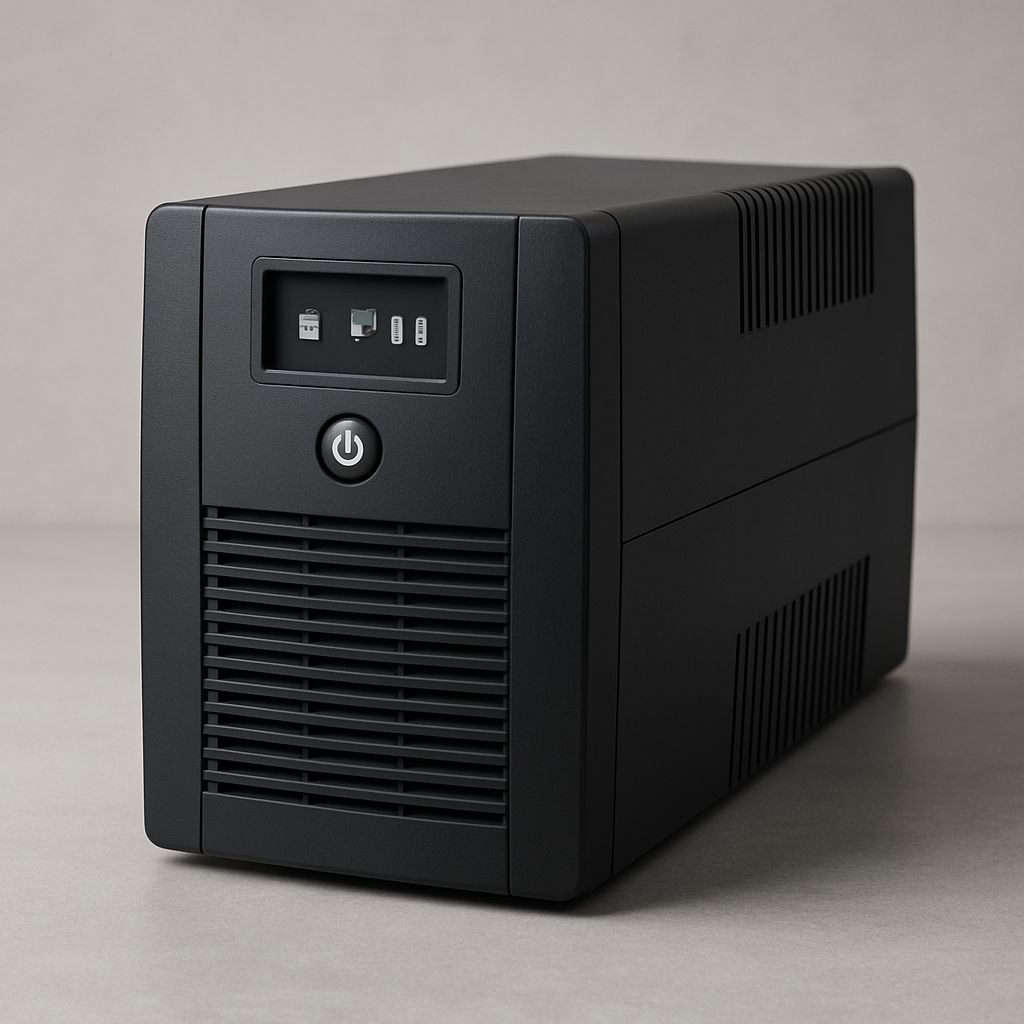
Manufacturers—both existing and new—as well as those altering their scope of registration, must ensure compliance with the updated standards by the revised deadline to maintain their BIS licenses.
If you are interested in understanding what requirements are needed for your product to be imported into India, please do not hesitate to contact us by email or phone (Europe: +49-69-271 37 69 261, US: +1 773 654-2673). If a certification need is discovered we can provide a quotation to make sure that all your certification needs are covered.
If you have any questions you can also use our chat-window in the bottom right. (Please check your browser settings if you can’t see the window)
For more information about BIS certification, please refer to our free brochure “BIS Certification Made Easy“.
India Extends Implementation Dates for Polycarbonate, Ethylene Dichloride, Vinyl Chloride Monomer
The Department of Chemicals and Petrochemicals has officially extended the implementation dates for three Quality Control Orders (QCOs) under the Bureau of Indian Standards Act, 2016. According to the latest government notifications issued on 16 September 2025, the following QCOs will now take effect on 12 September 2026. The affected chemicals are Polycarbonate, Ethylene Dichloride and Vinyl Chloride Monomer.
Many chemicals require BIS Certification in order to be approved for import and sale into India.

If you are interested in understanding what requirements are needed for your product to be imported into India, please do not hesitate to contact us by email or phone (Europe: +49-69-271 37 69 261, US: +1 773 654-2673). If a certification need is discovered we can provide a quotation to make sure that all your certification needs are covered.
If you have any questions you can also use our chat-window in the bottom right. (Please check your browser settings if you can’t see the window)
For more information about BIS certification, please refer to our free brochure “BIS Certification Made Easy“.
BIS Revises Safety Standard for LED Modules, Sets Transition Deadline for Compliance
The Bureau of Indian Standards (BIS) has revised the safety standard IS 16103 (Part 1):2012 and reissued it as IS 16103 (Part 1):2025 / IEC 62031:2018. This updated standard governs safety requirements for LED modules used in general lighting. Notably, both the 2012 and 2025 versions will remain valid concurrently until January 21, 2026, after which the earlier version will be withdrawn.
LED lights usually require BIS certification in order to be approved for import and sale in India.
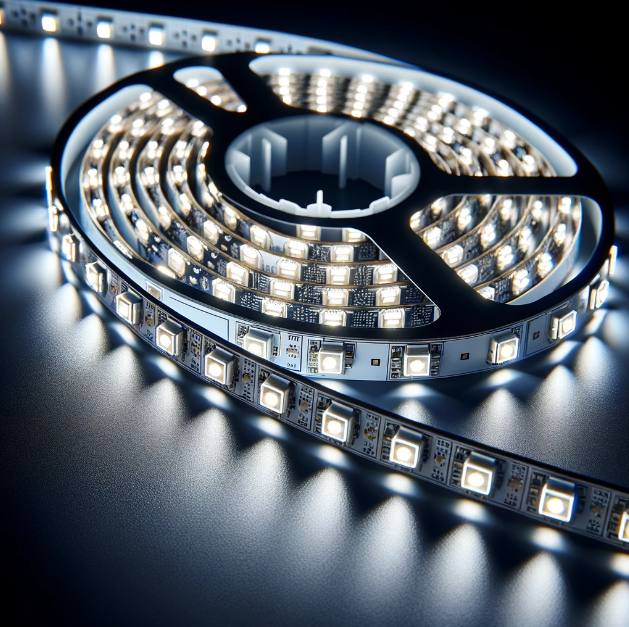
The revised standard introduces new definitions for replaceable, non-replaceable, and non-user-replaceable LED modules. The marking requirements have been overhauled, including changes to built-in module markings and working voltage indicators. Annexe B has been removed, and additional safety measures—such as abnormal temperature and photobiological safety tests—have been added. Licensees are required to submit updated test reports and declarations of compliance for their models. New applicants may apply under either standard until the deadline, provided they commit to transitioning to the 2025 edition. Changes to licence scope will follow the same rules as new applications.
If you are interested in understanding what requirements are needed for your product to be imported into India, please do not hesitate to contact us by email or phone (Europe: +49-69-271 37 69 261, US: +1 773 654-2673). If a certification need is discovered we can provide a quotation to make sure that all your certification needs are covered.
If you have any questions you can also use our chat-window in the bottom right. (Please check your browser settings if you can’t see the window)
For more information about BIS certification, please refer to our free brochure “BIS Certification Made Easy“.
Aadhaar 2025: L1 Certification now mandatory for all Registered Devices in India
As of January 1, 2025, only Level-1 (L1) certified Registered Devices (RD) are permitted for Aadhaar authentication in India. Aadhaar is the country’s national digital identity system, which uses biometric and demographic data to provide residents with a unique 12-digit identification number. This shift marks a full transition from the earlier Level-0 (L0) devices to the more secure and standardized L1 category. Manufacturers and importers are now required to complete the migration, which includes adapting firmware, secure element (SE) designs, and PCH components to meet the updated specifications. The Standardisation Testing and Quality Certification (STQC) authority oversees this transition and continues to operate the Biometric Device Certification Scheme (BDCS), which also includes certification processes for QR code scanners. RD devices usually require STQC certification in order to be approved for import and sale in India.
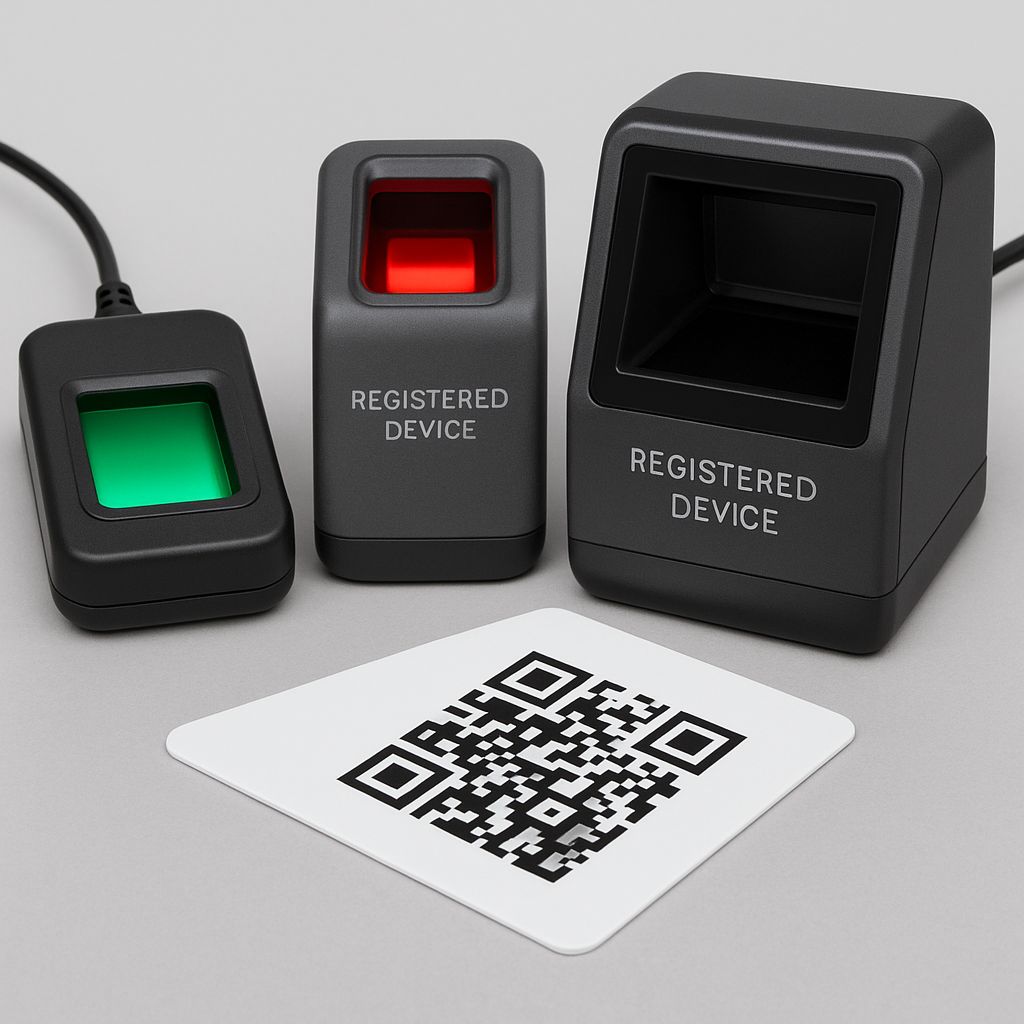
The move to L1 aims to strengthen the security and integrity of Aadhaar-based biometric authentication by enforcing uniform compliance across device hardware and software. Manufacturers must align with the latest guidelines issued by UIDAI, which define the updated performance and data protection standards under the Registered Devices 2.0 framework.
If you are interested in understanding what requirements are needed for your product to be imported into India, please do not hesitate to contact us by email or phone (Europe: +49-69-271 37 69 261, US: +1 773 654-2673). If a certification need is discovered we can provide a quotation to make sure that all your certification needs are covered.
If you have any questions you can also use our chat-window in the bottom right. (Please check your browser settings if you can’t see the window)
New Certification mandate for CCTV Products in India now in Effect
Since April 2025, CCTV products such as network cameras and recorders are subject to mandatory certification under India’s IoT System Certification Scheme (IoTSCS). This requirement is based on the “Essential Requirements” (ERs) published in the Official Gazette. The Standardisation Testing and Quality Certification (STQC) authority has already begun issuing certifications and maintains an up-to-date list of approved CCTV models. According to industry sources, the market has seen noticeable consolidation since the enforcement took effect. CCTV products usually require STQC certification in order to be approved for import and sale in India.
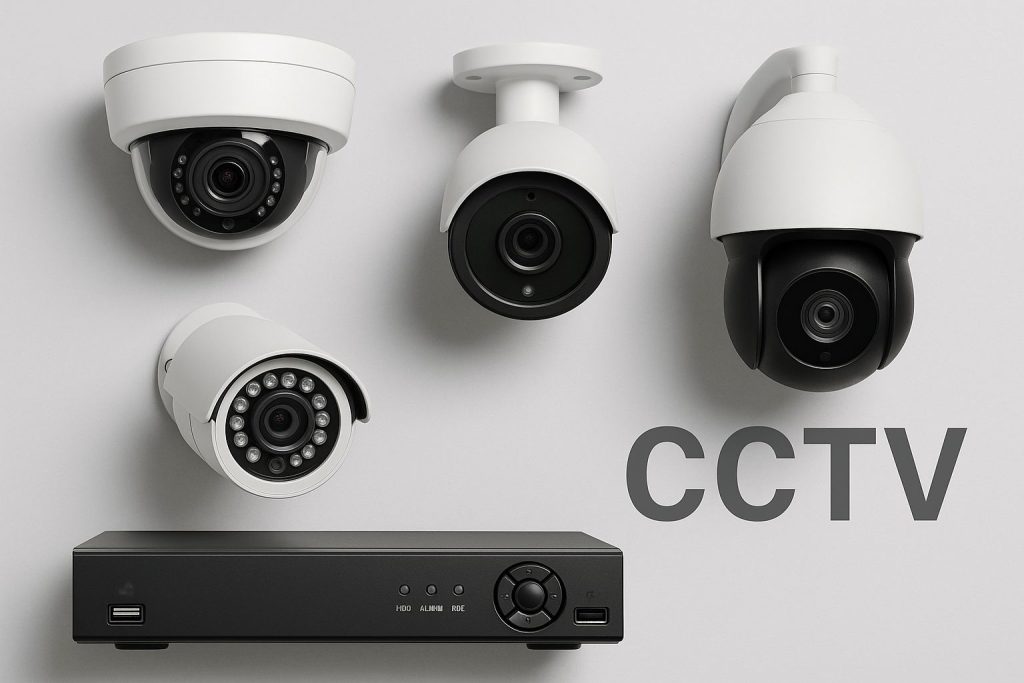
The IoTSCS outlines minimum technical and cybersecurity standards for connected devices, aiming to ensure compliance with national security and interoperability goals. While the scheme applies to a range of IoT systems, its recent application to CCTV equipment marks a significant step toward regulating smart surveillance technologies.
If you are interested in understanding what requirements are needed for your product to be imported into India, please do not hesitate to contact us by email or phone (Europe: +49-69-271 37 69 261, US: +1 773 654-2673). If a certification need is discovered we can provide a quotation to make sure that all your certification needs are covered.
If you have any questions you can also use our chat-window in the bottom right. (Please check your browser settings if you can’t see the window)
For more information about BIS certification, please refer to our free brochure “BIS Certification Made Easy“.
 We are part of the CERTANIA-Group.