


Schließen
New Draft for Amendment of CMVR regarding Seat Belts
In their notification from March 12, 2024 the Indian Minsitry of Road Transport and Highways has announced a draft with new additions and adjustments to amend the Central Motor Vehicles Rules (CMVR) regarding seat belts. Seat Belts and related components usually require BIS certification or AIS certification in order to be approved for import and use in the Indian market.

One example change is that safety belt assemblies and safety belt anchorages, fitted on vehicles of categories M, N and L7 manufactured on and after April 1, 2025, shall conform to IS 15140:2018 Automotive vehicles – Safety belt and restraint systems – Specification and IS 15139:2002 Automotive Vehicles – Safety Belt Anchorages, as amended from time to time.
It is important for manufacturers to keep track with regulation changes in order to ensure compliance of their products with Indian standards. MPR International keeps clients up to date on all relevant regulation developments.
If you are interested in understanding what requirements are needed for your product to be imported into India, please do not hesitate to contact us by email or phone (Europe: +49-69-271 37 69 261, US: +1 773 654-2673). There is no cost or obligation for us to check for you. If a certification need is discovered we can provide a quotation to make sure that all your certification needs are covered.
If you have any questions you can also use our chat-window in the bottom right. (Please check your browser settings if you can’t see the window)
For more information about BIS certification, please refer to our free brochure “BIS Certification Made Easy“.
You can also check out our free AIS-Brochure, which can be downloaded right here as a PDF file.
New QCO makes BIS mandatory for Hinges
The Department for Promotion of Industry and Internal Trade (DPIIT), under the Ministry of Commerce and Industry, has enacted a Quality Control Order (QCO) covering various types of hinges. This order mandates compliance with the relevant Indian standard specifications to uphold product quality, making BIS Certification mandatory for this product category.
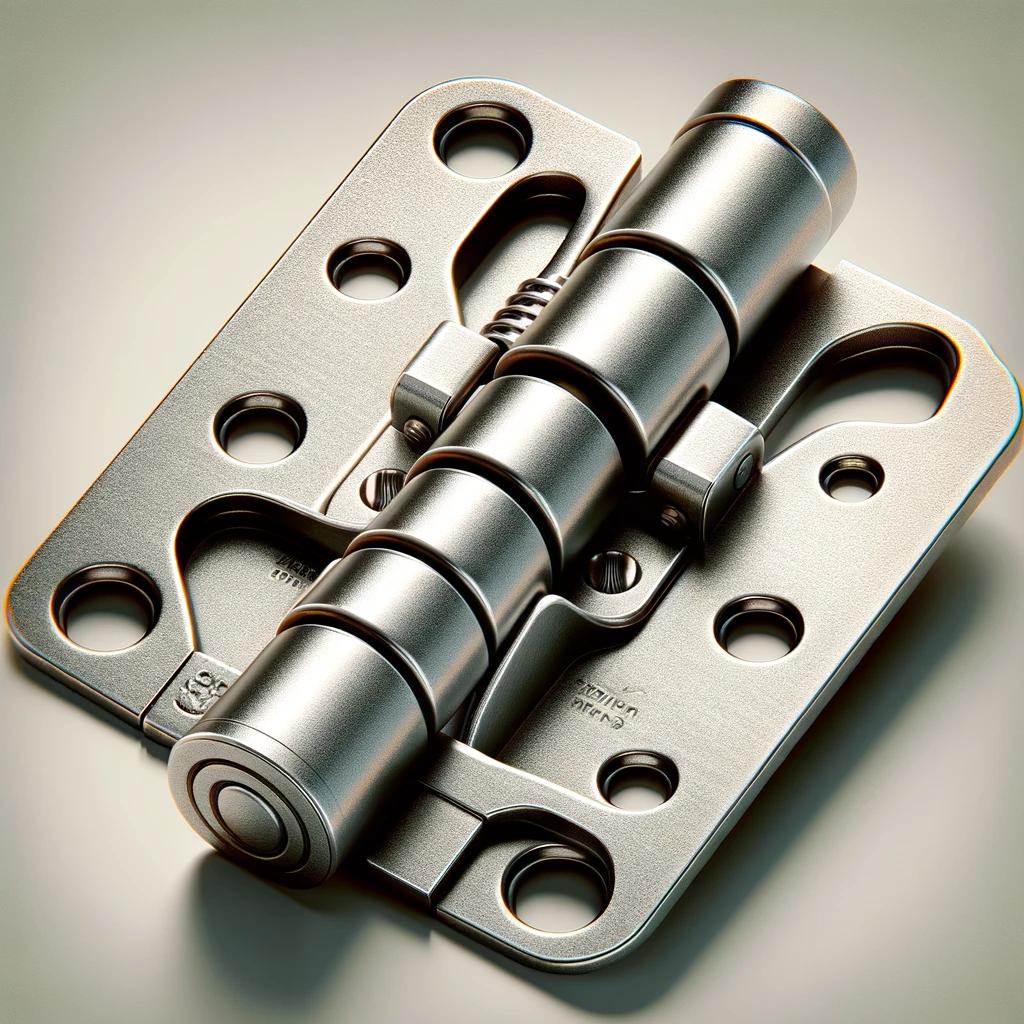
The implementation of this QCO aims to enhance the quality of the products and foster trust between the industry participants and consumers.
Under the stipulations of the Hinges Quality Control Order, manufacturers subjected to this QCO are required to obtain the BIS License prior to the QCO’s enforcement date.
Of the category “hinges”, the following products are covered under mandatory BIS certification:
| SNo. | Product Name | Indian Standard |
| 1 | Stainless steel butt hinges | IS 12817 |
| 2 | Steel Butt Hinges | IS 1341 |
| 3 | Non-ferrous metal butt hinges | IS 205 |
| 4 | Tee and strap hinges | IS 206 |
| 5 | Parliament hinges | IS 362 |
| 6 | Continuous (Piano) hinges | IS 3818 |
| 7 | Steel back flap hinges | IS 3843 |
| 8 | Double-acting spring hinges | IS 453 |
| 9 | Cabinet hinges | IS 18297 |
Since 2012, the BIS has been gradually expanding the certification catalog and continuously adding additional goods. BIS certification mandatory for many electronic products for industrial and consumer uses. Factory inspections are also required for some products.
If you are interested in understanding what requirements are needed for your product to be imported into India, please do not hesitate to contact us by email or phone (Europe: +49-69-271 37 69 261, US: +1 773 654-2673). There is no cost or obligation for us to check for you. If a certification need is discovered we can provide a quotation to make sure that all your certification needs are covered.
If you have any questions you can also use our chat-window in the bottom right. (Please check your browser settings if you can’t see the window)
For more information about BIS certification, please refer to our free brochure “BIS Certification Made Easy“.
Extension for IS 3224: 2021 – Valve Fittings for Compressed Gas Cylinders, excluding Liquefied Petroleum Gas (LPG)
The Bureau of Indian Standards (BIS) has revised the Indian standard IS 3224: 2002 Valve fittings for compressed gas cylinders, excluding LPG to a new version IS 3224: 2021. The guidelines for the implementation of the above-mentioned revision have already been published on January 21, 2022. In many cases, compressed gas cylinders and related products and components require BIS certification or PESO certification.

The original deadline for the implementation of the revised standard was December 22, 2022, which has been extended to December 22, 2023.
As a result of applications submitted by affected manufacturers, the deadline for the implementation of IS 3224: 2021 has now been postponed until December 22, 2024. It is recommended that all licensees and applicants be aware of this change and ensure that the implementation of the updated standard is done by this date.
The further instructions for the introduction explained in letter Nr. CMD-III/16: IS 3224 of 21 January 2022 remain unaffected by this and continue to apply.
If you are interested in understanding what requirements are needed for your product to be imported into India, please do not hesitate to contact us by email or phone (Europe: +49-69-271 37 69 261, US: +1 773 654-2673). There is no cost or obligation for us to check for you. If a certification need is discovered we can provide a quotation to make sure that all your certification needs are covered.
If you have any questions you can also use our chat-window in the bottom right. (Please check your browser settings if you can’t see the window)
For more information about BIS certification, please refer to our free brochure “BIS Certification Made Easy“.
For more information about PESO certification, please refer to our free brochure “PESO Certification Made Easy“.
Update on ISI Certification of Non-Alloy and Alloy Steel Blocks: IS 14650:2023
The Bureau of Indian Standards (BIS) has issued guidance for the implementation of the revised IS 14650:2023.
IS 14650:2023 is a uniform standard for all semi-finished products that can be used for re-rolling into any steel product, regardless of their use. These steel ingots are subject to BIS-ISI Certification in India in order to be approved for import and use.

The date of implementation of this policy will enter into force on September 28, 2024.
All manufacturers who are BIS licensees of the following standards must switch to IS 14650:2023:
- IS 14650:1999
- IS 2830:2012
- IS 2831:2012
- IS 8052:2006
- IS 8951:2001
- IS 8952:2005
If you are interested in understanding what requirements are needed for your product to be imported into India, please do not hesitate to contact us by email or phone (Europe: +49-69-271 37 69 261, US: +1 773 654-2673). There is no cost or obligation for us to check for you. If a certification need is discovered we can provide a quotation to make sure that all your certification needs are covered.
If you have any questions you can also use our chat-window in the bottom right. (Please check your browser settings if you can’t see the window)
For more information about BIS certification, please refer to our free brochure “BIS Certification Made Easy“.
New IS Standards for Aluminium Products under IS 16011, IS 21 and IS 617
Since August 2023, a series of new, updated Indian Standards (IS) have been published that affect various aluminum product groups, thereby further defining the obligation for BIS-ISI certification and explaining requirements.
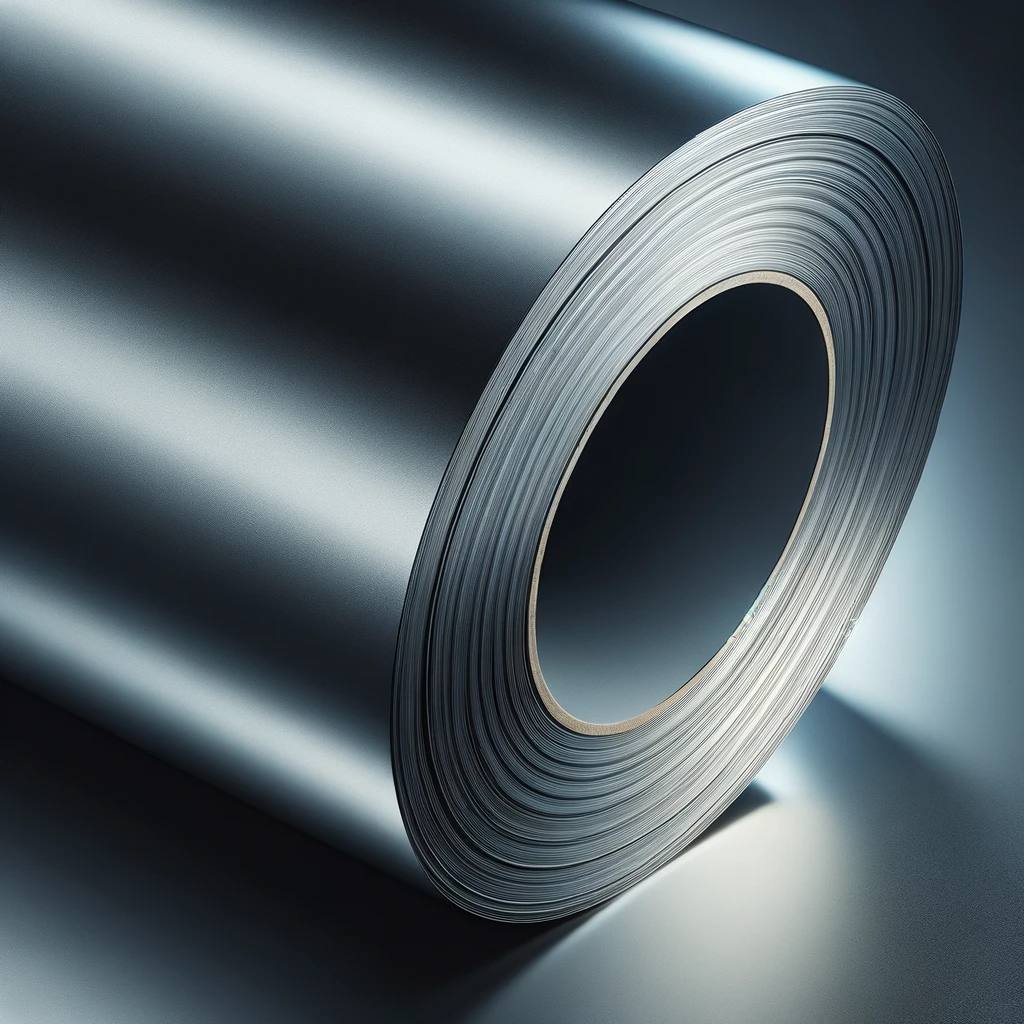
The following product groups are affected by the new standards:
IS 16011
This standard applies to aluminium foils with a thickness between 0.020 mm (20 microns) and 0.040 mm (40 microns). More specifically, it specifies the specifications for bare, coated or laminated aluminum and aluminum alloy foils used for pharmaceutical packaging. The Indian standard covers the various technical requirements.
IS 21
This standard includes wrought aluminium and aluminium alloys used in the manufacture of commodities. The assignment under to this standard depends on the intended use, the type of device and the manufacturing method.
IS 617
This specification defines the criteria for aluminium castings and their alloys, manufactured as ingots and castings intended for general technical applications.
To export products to India, manufacturers must obtain either BIS Certification (ISI) under the Foreign Manufacturers Certification Scheme (FMCS) or BIS Registration (CRS), depending on the type of product. These steps are necessary in order to be allowed to introduce and distribute the products on the Indian market.
If you are interested in understanding what requirements are needed for your product to be imported into India, please do not hesitate to contact us by email or phone (Europe: +49-69-271 37 69 261, US: +1 773 654-2673). There is no cost or obligation for us to check for you. If a certification need is discovered we can provide a quotation to make sure that all your certification needs are covered.
If you have any questions you can also use our chat-window in the bottom right. (Please check your browser settings if you can’t see the window)
For more information about BIS certification, please refer to our free brochure “BIS Certification Made Easy“.
India introduces Mandatory BIS Certification for Water Chillers
In an order dated September 25, 2023, the Department for Promotion of Industry and Internal Trade of India’s Ministry of Trade and Industry emphasized the mandatory BIS Certification for self-contained drinking water coolers. The regulation, known as the Self-Contained Drinking Water Cooler Quality Control Order, aims to raise the standards of water chillers in the Indian market.
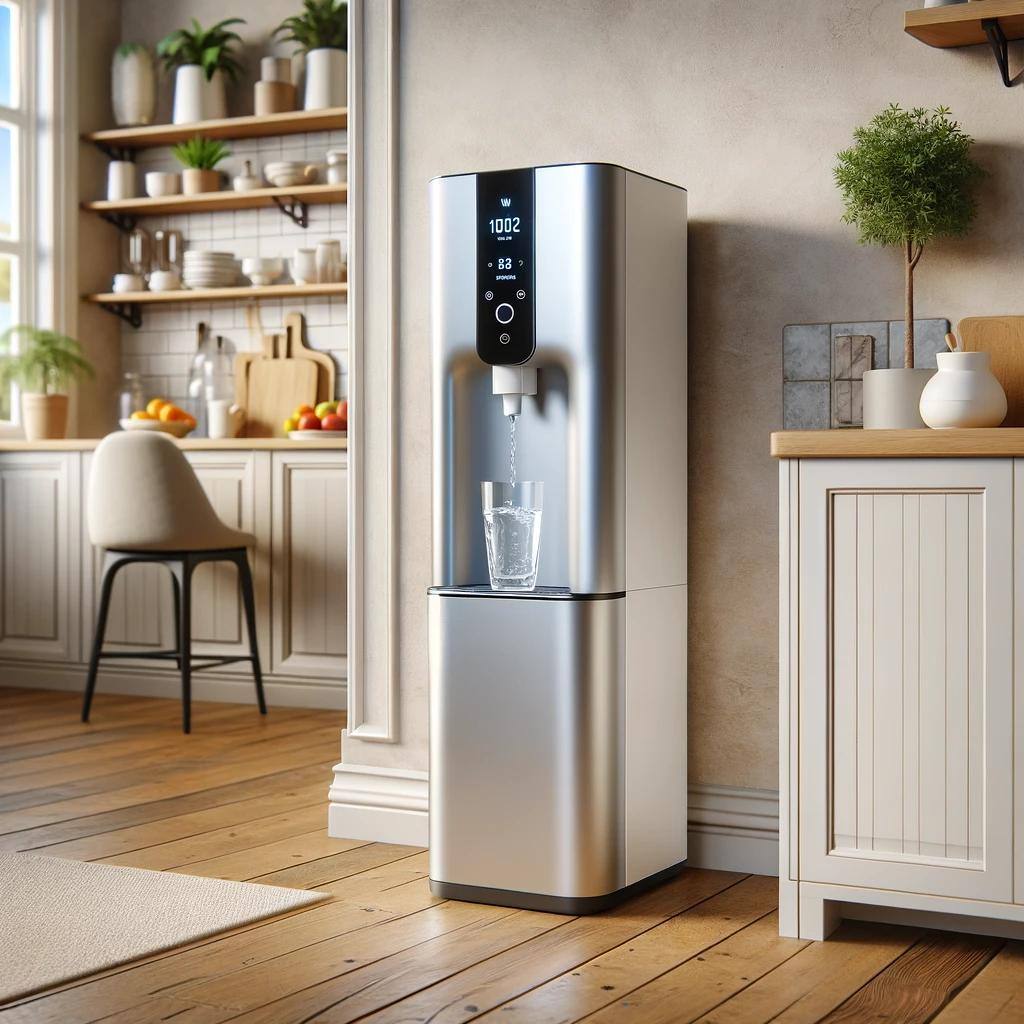
The guideline states that all self-contained drinking water coolers must comply with Indian Standard 1475 (Part 1): 2001, which focuses on energy consumption and performance. Manufacturers are required to obtain BIS-ISI certification by March 25, 2024 in order to be able to import or sell products in this category in India after the deadline.
The Bureau of Indian Standards, or BIS for short, is designated as the certification and enforcement authority for this regulation. Violations of these provisions will result in penalties. This move is a clear sign of the government’s commitment to upholding product quality and consumer protection to increase consumer confidence in domestically produced goods and bring Indian products up to global standards. The implementation of this regulation is expected to have a significant impact on the water chiller industry and improve the overall quality of products available in the Indian market.
If you are interested in understanding what requirements are needed for your product to be imported into India, please do not hesitate to contact us by email or phone (Europe: +49-69-271 37 69 261, US: +1 773 654-2673). There is no cost or obligation for us to check for you. If a certification need is discovered we can provide a quotation to make sure that all your certification needs are covered.
If you have any questions you can also use our chat-window in the bottom right. (Please check your browser settings if you can’t see the window)
For more information about BIS certification, please refer to our free brochure “BIS Certification Made Easy“.
Food Safety and Standards Authority of India (FSSAI) reinstates Guidelines for Nutritional Supplements and specialized Food Items
In 2022, the Food Safety and Standards Authority of India (FSSAI) introduced updated regulations named Draft FSS Regulations (Health Supplements, Nutraceuticals, Food for Special Dietary Use, Food for Special Medical Purpose, Prebiotic, and Probiotic Food), superseding the 2016 guidelines. These regulations make FSSAI Registration for the mentioned product categories mandatory, in order for them to be approved for import and distribution in India.

The regulations initially took effect on March 29, 2022, with subsequent amendments on May 10, 2022, to incorporate additional additives and enzymes/proteins for health supplements. Although initially enforced on October 1, 2022, and revisited on April 1, 2023, the full official adoption of these rules has been delayed. Hence, an extension has been granted for three more months from October 1, 2023, as per the directive dated April 11, 2023, under the empowerment of the Food Safety and Standards Act of 2006.
If you are interested in understanding what requirements are needed for your product to be imported into India, please do not hesitate to contact us by email or phone (Europe: +49-69-271 37 69 261, US: +1 773 654-2673). There is no cost or obligation for us to check for you. If a certification need is discovered we can provide a quotation to make sure that all your certification needs are covered.
If you have any questions you can also use our chat-window in the bottom right. (Please check your browser settings if you can’t see the window)
India Enforces BIS Certification Requirement for Door Fittings
The Government of India has introduced the mandatory BIS-ISI certification for door fittings with the Door Fittings Quality Control Order, which comes into effect on October 23, 2023. This crucial step reflects the government’s ambition to improve the safety and reliability of door hardware in the domestic market through standardized quality guidelines.
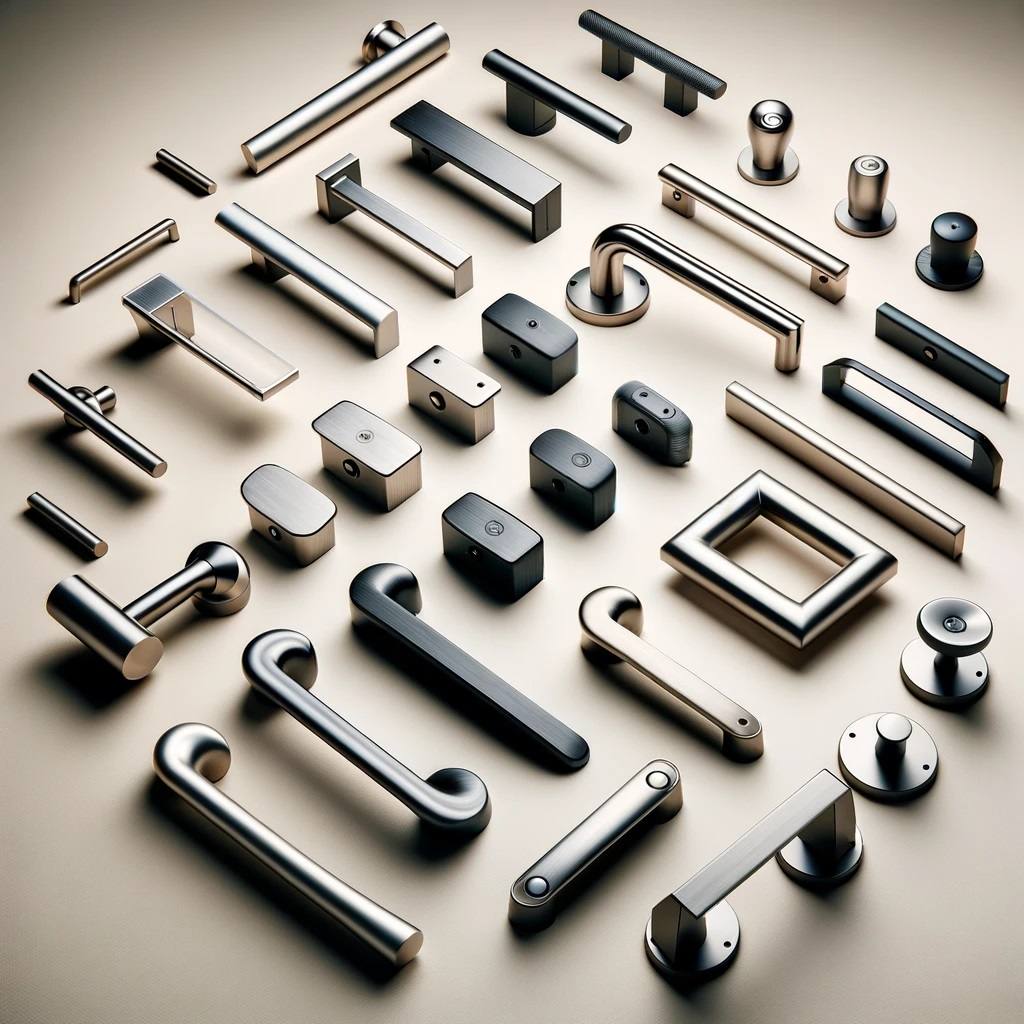
According to the new regulation, all door fittings, including various types of door closers and door handles, must comply with the established Indian IS standards. The regulation provides for the provisions for small and medium-sized enterprises to enter into force at a later date in order to give them more time to adapt, while products for export are exempt from this rule. The regular deadline for certification is April 23, 2024.
By introducing this regulation, the Indian government is demonstrating its commitment to improved quality standards and increased consumer protection. The initiative is expected to have a significant impact on the door fitting industry as it helps raise the level of products available in India while solidifying consumer confidence in local and imported products.
If you are interested in understanding what requirements are needed for your product to be imported into India, please do not hesitate to contact us by email or phone (Europe: +49-69-271 37 69 261, US: +1 773 654-2673). There is no cost or obligation for us to check for you. If a certification need is discovered we can provide a quotation to make sure that all your certification needs are covered.
If you have any questions you can also use our chat-window in the bottom right. (Please check your browser settings if you can’t see the window)
For more information about BIS certification, please refer to our free brochure “BIS Certification Made Easy“.
BIS Certification for Water Dispensers Due to New Quality Control Order (QCO) in India
On October 23, 2023, the Indian government published a new Quality Control Order (QCO) for water dispensers. The affected standards refer to the ISI certification scheme (Scheme I) of the BIS certification. BIS-ISI certification is required for many different product groups such as electronics, household appliances, safety glass, etc.
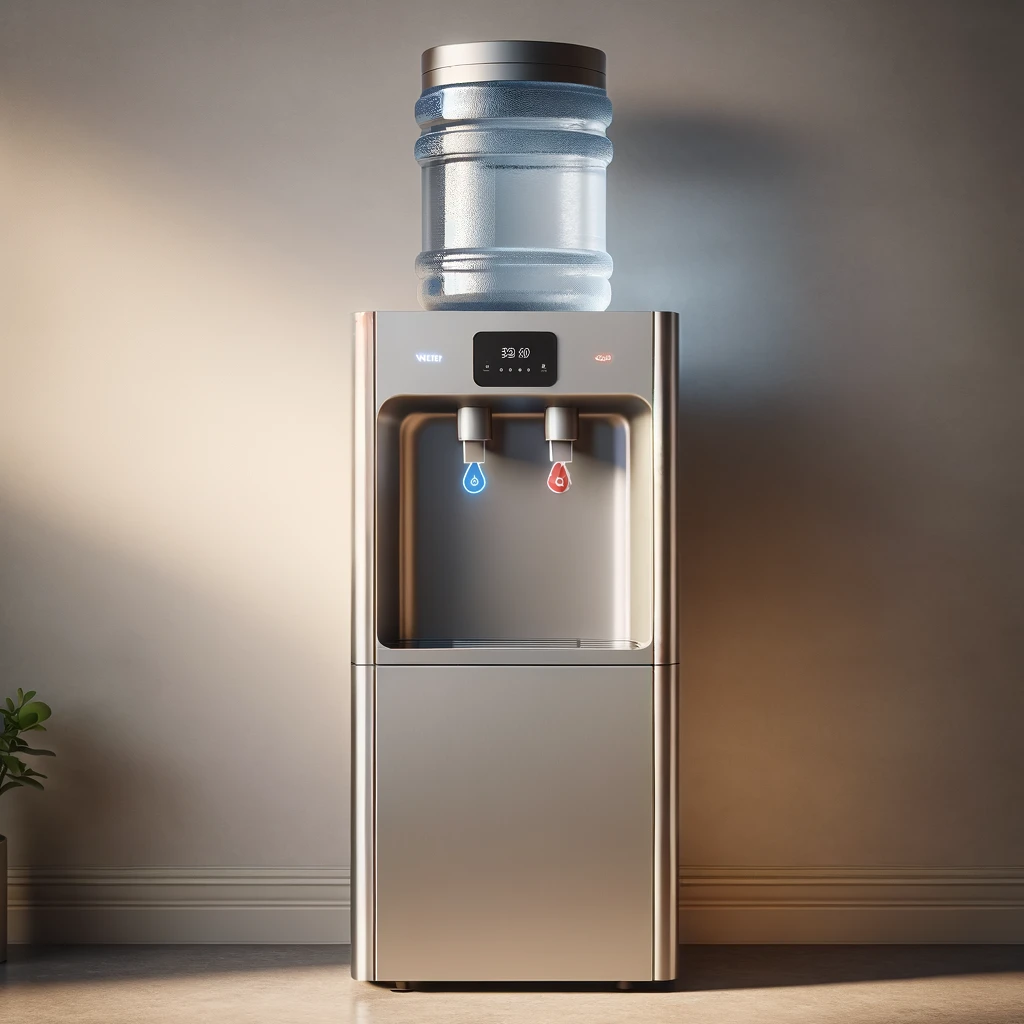
The introduction of the BIS certification requirement is intended to improve the quality of water dispensers and give consumers confidence in the safety and reliability of these devices. The Ministry expects that the implementation of these measures will contribute to a safer and more regulated market for water dispensers, which is in line with the broader objective of ensuring consumer safety and well-being.
Starting on April 1, 2024, BIS certification will therefore also be mandatory for water dispensers.
If you are interested in understanding what requirements are needed for your product to be imported into India, please do not hesitate to contact us by email or phone (Europe: +49-69-271 37 69 261, US: +1 773 654-2673). There is no cost or obligation for us to check for you. If a certification need is discovered we can provide a quotation to make sure that all your certification needs are covered.
If you have any questions you can also use our chat-window in the bottom right. (Please check your browser settings if you can’t see the window)
For more information about BIS certification, please refer to our free brochure “BIS Certification Made Easy“.
New Quality Control Order (QCO) makes BIS Certification in India mandatory for Steel Wires, Nylon Ropes and Others
On November 21, 2023, the Department for Promotion of Industry and Internal Trade (DPIIT) of the BIS (Bureau of Indian Standards) announced a major Quality Control Order (QCO) that makes the ISI mark mandatory for steel wires or strands, nylon or wire ropes, and wire mesh. The standards concerned relate to the ISI certification scheme (Scheme I) of BIS certification.
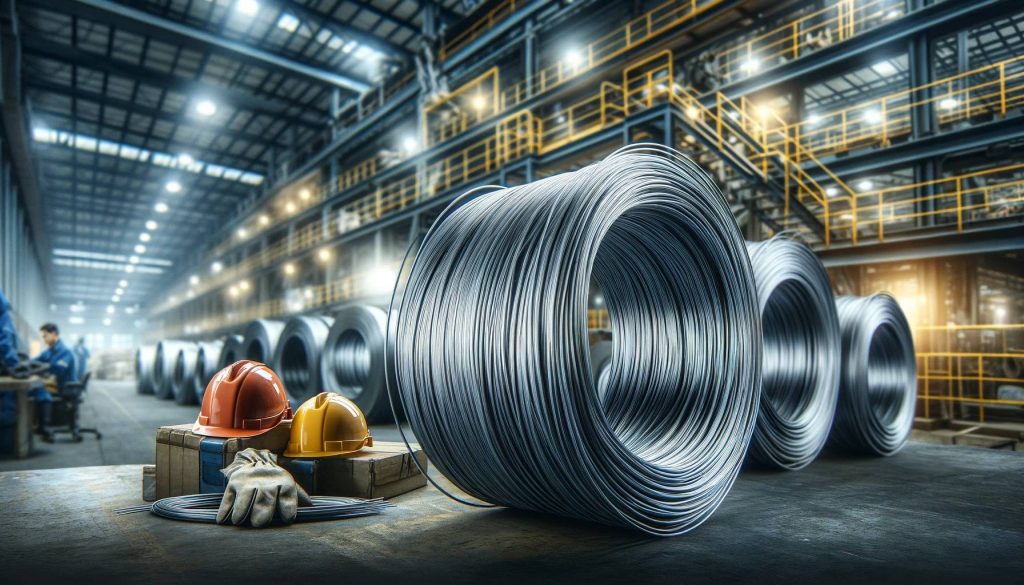
The regulation is expected to become effective six months after its publication in the Official Journal, giving companies sufficient time to comply with the new regulations and complete the process of BIS-ISI certification.
Micro and small enterprises (MSEs) must comply with specific deadlines set out in the Directive:
- Small Businesses: November 21, 2024
- Micro Businesses: August 21, 2024
By introducing ISI certification, the government aims to increase consumer safety and promote competitiveness in these sectors.
This move is expected to have a significant impact on manufacturers and suppliers, prompting them to adapt their operations to the strict quality control measures mandated by the DPIIT.
If you are interested in understanding what requirements are needed for your product to be imported into India, please do not hesitate to contact us by email or phone (Europe: +49-69-271 37 69 261, US: +1 773 654-2673). There is no cost or obligation for us to check for you. If a certification need is discovered we can provide a quotation to make sure that all your certification needs are covered.
If you have any questions you can also use our chat-window in the bottom right. (Please check your browser settings if you can’t see the window)
For more information about BIS certification, please refer to our free brochure “BIS Certification Made Easy“.
 We are part of the CERTANIA-Group.