


Schließen

New BIS Quality Control Orders Implementations next Month – December 2024
We regularly publish advance information from the Bureau of Indian Standards (BIS) on new Quality Control Orders that will soon come into force. Affected products must have BIS certification in order to be approved for import and distribution in India. Within the next month, several standards will come into effect, including for Cast aluminum and its alloys – Ingots and castings for general engineering purposes. This is just one example among others.
The Bureau of Indian Standards (BIS) Quality Control Orders (QCOs) are mandatory regulations that ensure that certain products meet national quality standards. While BIS standards are usually voluntary, QCOs make compliance mandatory for affected products. This serves to ensure product quality in India.
If you are interested in understanding what requirements are needed for your product to be imported into India, please do not hesitate to contact us by email or phone (Europe: +49-69-271 37 69 261, US: +1 773 654-2673). If a certification need is discovered we can provide a quotation to make sure that all your certification needs are covered.
If you have any questions you can also use our chat-window in the bottom right. (Please check your browser settings if you can’t see the window)
For more information about BIS certification, please refer to our free brochure “BIS Certification Made Easy“.
Here you will find an overview of the new Quality Control Orders that will come into force next month:
| Product | Indian Standard | Enforcement date |
| Cast aluminium and its alloys – Ingots and castings for general engineering purposes | IS 617:1994 | 01 December 2024 |
| Copper | IS 191:2007 | 01 December 2024 |
| High purity primary aluminum ingot for remelting for special applications | IS 11890:1987 | 01 December 2024 |
| Specification for Aluminium Alloy ingots for bearings | IS 6754:1972 | 01 December 2024 |
| Primary aluminium ingots for remelting for general engineering purpose | IS 2590 : 1987 | 01 December 2024 |
| Aluminum ingots billets and wire bars (EC GRADE) | IS 4026 : 202 | 01 December 2024 |
| Nickel Powder | IS 7506:1987 | 01 December 2024 |
| Steel Wire Ropes for General Engineering Purposes | IS 2266 : 2019 | 01 December 2024 |
| Steel Wire Suspension Ropes for Lifts, Elevators and Hoists | IS 2365 : 2018 | 01 December 2024 |
| Stranded steel wire ropes for winding and man –riding haulages in mines | IS 1855:2022 | 01 December 2024 |
| Steel Wire Rope for haulage | IS 1856:2005 | 01 December 2024 |
| Hot Dip Galvanized Stay Strand | IS 2141:2005 | 01 December 2024 |
| Wire Ropes Used in Oil Wells and Oil Well Drilling | IS 4521:2001 | 01 December 2024 |
| Braided Nylon Ropes for Mountaineering Purposes | IS 6590:1972 | 01 December 2024 |
| Galvanized Steel Barbed Wire for Fencing | IS 278:2009 | 01 December 2024 |
BIS Certification mandated for Commercial Dispensing and Vending Appliances
India has issued a new Quality Control Order for Electrical Appliances for Commercial Dispensing and Vending, replacing the 2023 order for the same category. Announced on October 17, 2024, the updated order mandates that appliances adhere to Indian Standard 302 (Part 2/Sec 75): 2018 and display the ISI mark under BIS licensing as per Scheme-I of Schedule II in the BIS Conformity Assessment Regulations, 2018. These requirements aim to enhance public safety and ensure product quality. Electrical appliances for commercial dispensing and vending typically require BIS certification to be approved for import and sale in India.

The order applies to most manufacturers from April 1, 2025, with extended deadlines for small enterprises (July 1, 2025) and micro-enterprises (October 1, 2025). Exemptions include products exclusively manufactured for export and up to 50 imported units annually for R&D, provided they are not sold and are scrapped after use. Violations of this order will result in penalties under the Bureau of Indian Standards Act, 2016.
If you are interested in understanding what requirements are needed for your product to be imported into India, please do not hesitate to contact us by email or phone (Europe: +49-69-271 37 69 261, US: +1 773 654-2673). If a certification need is discovered we can provide a quotation to make sure that all your certification needs are covered.
If you have any questions you can also use our chat-window in the bottom right. (Please check your browser settings if you can’t see the window)
For more information about BIS certification, please refer to our free brochure “BIS Certification Made Easy“.
India enacts Polycarbonate Quality Control Amendment
The Ministry of Chemicals and Fertilizers in India has issued the Polycarbonate (Quality Control) Amendment Order, 2024, scheduled to take effect on March 12, 2025. This amendment mandates that all polycarbonate products or articles meet the requirements specified in Indian Standard 14434:1998. Polycarbonate products typically require BIS certification for approval and sale in India.

According to this order, polycarbonate items must bear the Standard Mark, which is provided under a license issued by the Bureau of Indian Standards (BIS) as per Scheme-I of Schedule-II outlined in the Bureau of Indian Standards (Conformity Assessment) Regulations, 2018.
If you are interested in understanding what requirements are needed for your product to be imported into India, please do not hesitate to contact us by email or phone (Europe: +49-69-271 37 69 261, US: +1 773 654-2673). If a certification need is discovered we can provide a quotation to make sure that all your certification needs are covered.
If you have any questions you can also use our chat-window in the bottom right. (Please check your browser settings if you can’t see the window)
For more information about BIS certification, please refer to our free brochure “BIS Certification Made Easy“.
New BIS Quality Requirements for Drinking Water Bottles
The Ministry of Trade and Industry has published the Potable Water Bottles (Quality Control) Amendment Order, 2024, which was promulgated in the Official Gazette on 29 August 2024 and is effective from that date. As a result, drinking water bottles must comply with the requirements of the Indian standard IS 17803:2022, which sets the quality standards for drinking bottles made of copper, stainless steel or aluminium. Water bottles require BIS Certification to be approved for import and sale in India.
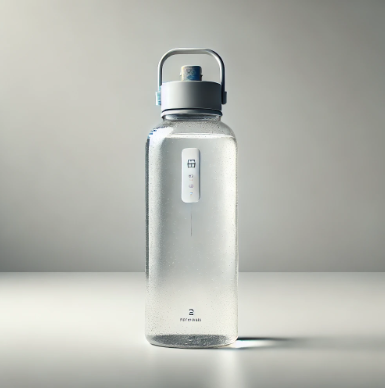
According to this regulation, the water bottles must bear the standard mark and be licensed under Scheme-1 of Annex II to the Bureau of Indian Standards (Conformity Assessment) Regulations, 2018. This ensures that the products meet the established safety and quality standards.
If you are interested in understanding what requirements are needed for your product to be imported into India, please do not hesitate to contact us by email or phone (Europe: +49-69-271 37 69 261, US: +1 773 654-2673). If a certification need is discovered we can provide a quotation to make sure that all your certification needs are covered.
If you have any questions you can also use our chat-window in the bottom right. (Please check your browser settings if you can’t see the window)
For more information about BIS certification, please refer to our free brochure “BIS Certification Made Easy“.
Revised BIS Regulations for Hand Tools
The Ministry of Commerce and Industry has issued the Hand Tools Quality Control Order, 2024, which was officially published on September 17, 2024. This regulation mandates that all hand tools listed in the order comply with relevant Indian standards and bear the Standard Mark, which can only be displayed with a valid license granted under Scheme-1 of Schedule-II of the Bureau of Indian Standards (Conformity Assessment) Regulations, 2018. By this, hand tools will generally require BIS certification to be approved for import and sale in India.
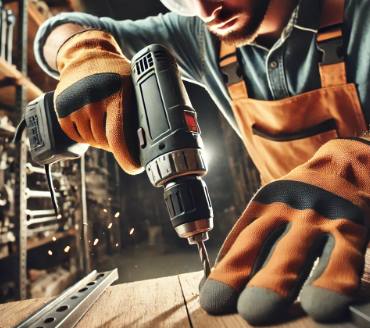
The order provides different compliance timelines depending on the size of the enterprise. For general enterprises, the order will be enforced starting on March 17, 2025. Small enterprises have until June 17, 2025, to comply, while micro-enterprises have until September 17, 2025. Notably, the order does not apply to goods manufactured for export.
If you are interested in understanding what requirements are needed for your product to be imported into India, please do not hesitate to contact us by email or phone (Europe: +49-69-271 37 69 261, US: +1 773 654-2673). If a certification need is discovered we can provide a quotation to make sure that all your certification needs are covered.
If you have any questions you can also use our chat-window in the bottom right. (Please check your browser settings if you can’t see the window)
For more information about BIS certification, please refer to our free brochure “BIS Certification Made Easy“.
IS 18112:2022 for TV Sets with Digital Satellite Tuners in India
The Ministry of Electronics and Information Technology (MeitY) has announced the implementation of IS 18112:2022 for television sets equipped with digital satellite tuners. This compliance falls under the Electronics and Information Technology Goods (Requirement of Compulsory Registration) Order, 2021. The guidelines are intended to help manufacturers and testing labs establish product series that meet the mandatory registration requirements outlined in the 2021 Order. Television sets typically need BIS certification for approval before they can be imported and sold in India.
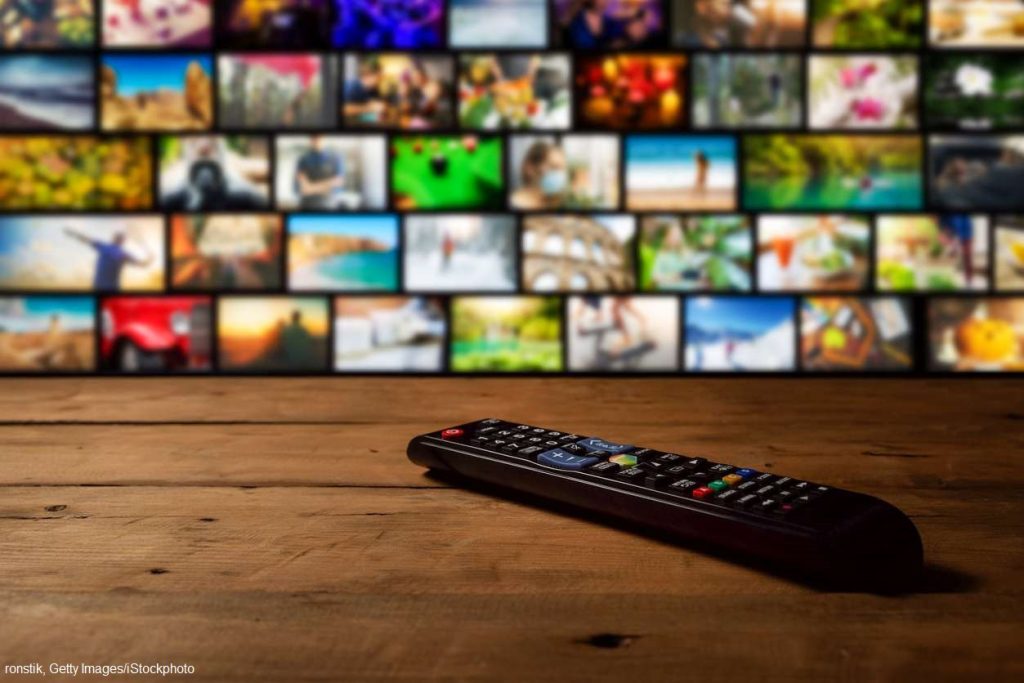
Though digital satellite tuners are not classified as a separate product category, they are required as a built-in feature of television sets to meet the compliance standards set by IS 18112:2022. Manufacturers must ensure that their TV sets incorporate digital satellite tuners as part of the product series guidelines. This notification was issued with the approval of the Competent Authority.
If you are interested in understanding what requirements are needed for your product to be imported into India, please do not hesitate to contact us by email or phone (Europe: +49-69-271 37 69 261, US: +1 773 654-2673). If a certification need is discovered we can provide a quotation to make sure that all your certification needs are covered.
If you have any questions you can also use our chat-window in the bottom right. (Please check your browser settings if you can’t see the window)
For more information about BIS certification, please refer to our free brochure “BIS Certification Made Easy“.
New BIS Quality Control Orders for Screws and Fasteners
The Indian government, under section 16 of the Bureau of Indian Standards (BIS) Act, 2016, has issued a new regulation titled the Cross Recessed Screws (Quality Control) Order, 2024. This order mandates that all screws and fasteners specified in the relevant table must conform to the Indian Standards and bear the Standard Mark, licensed by the Bureau of Indian Standards as per the BIS Conformity Assessment Regulations, 2018. Certain exemptions apply, including domestically manufactured goods for export and products imported as part of finished goods or components. Additionally, micro and small enterprises, as defined under the Micro, Small and Medium Enterprises Development Act, 2006, are granted time-bound compliance extensions. Screws and fasteners typically require BIS certification in order to be approved for import and sale in India.
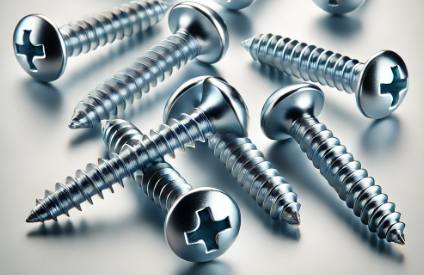
Further provisions in the order exempt goods imported for research and development by Original Equipment Manufacturers (OEMs), provided the import does not exceed 200 kilograms annually. Such goods cannot be sold commercially and must be recorded for review if required by authorities. The Bureau of Indian Standards is designated as the certifying and enforcing body for this regulation, with penalties imposed for any violations under the BIS Act, 2016.
Here you can find an overview of the relevant standards for cross recessed screws:
| SI. No. | Goods or Articles | Indian Standard | Title of Indian Standard |
| 1 | Cross Recessed Screws | 18471 (Part 1) : 2023 / ISO 15481:1999 | Fasteners - Cross Recessed Drilling Screws with Tapping Screw Thread Part 1 Pan Head |
| 2 | 18471 (Part 2) : 2023 / ISO 15482:1999 | Fasteners - Cross Recessed Drilling Screws with Tapping Screw Thread Part 2 Countersunk Head | |
| 3 | 18471 (Part 3) : 2023 / ISO 15483:1999 | Fasteners - Cross Recessed Drilling Screws with Tapping Screw Thread Part 3 Raised Countersunk Head | |
| 4 | 18476 : 2023 / ISO 15480:2019 | Fasteners - Hexagon Washer Head Drilling Screws with Tapping Screw Thread | |
| 5 | 18480 (Part 1) : 2023 / ISO 7049:2011 | Cross Recessed Tapping Screws: Part 1 Pan Head | |
| 6 | 18480 (Part 2) : 2023 / ISO 7050:2011 | Cross Recessed Tapping Screws Part 2 Countersunk Flat Head | |
| 7 | 18480 (Part 3) : 2023 / ISO 7051:2011 | Cross Recessed Tapping Screw Part 3 Raised Countersunk Oval Head | |
| 8 | 7483 : 2018 / ISO 7045:2011 | Pan Head Screws With Type H or Type Z Cross Recess – Product Grade A | |
| 9 | 7485 (Part 1) : 2018 / ISO 7046-1:2011 | Countersunk Flat Head Screws (Common head Style) With Type H or Type Z Cross Recess – Product Grade A Part 1 Steel Screws of Property Class 4.8 | |
| 10 | 7485 (Part 2) : 2018 / ISO 7046-2:2011 | Countersunk flat head screws (common head style) with type H or Type Z Cross Recess - Product Grade A part 2 Steel Screws of Property Class 8.8, Stainless Steel Screws and Non-Ferrous Metal Screws | |
| 11 | 7486 : 2018 / ISO 7047:2011 | Raised countersunk head screws (Common Head Style) with type H or type Z cross recess - Product grade A | |
| 12 | 18507 : 2024 | Drywall Screws – Specification | |
| 13 | 18508 : 2024 | Chipboard Screws – Specification | |
| 14 | 18509 : 2023 | Cross-recessed Countersunk Head Wood Screws – Specification |
If you are interested in understanding what requirements are needed for your product to be imported into India, please do not hesitate to contact us by email or phone (Europe: +49-69-271 37 69 261, US: +1 773 654-2673). If a certification need is discovered we can provide a quotation to make sure that all your certification needs are covered.
If you have any questions you can also use our chat-window in the bottom right. (Please check your browser settings if you can’t see the window)
For more information about BIS certification, please refer to our free brochure “BIS Certification Made Easy“.
New Safety Standards for Household and Commercial Electrical Appliances in India
On September 17, 2024, India’s Ministry of Commerce and Industry issued the new Indian Standard IS 302 (Part 1) : 2008, regarding the safety of household, commercial, and similar electrical appliances. According to the order, all electrical appliances with a rated voltage not exceeding 250V for single-phase alternating current or 415V for three-phase alternating current must adhere to specific safety standards. This regulation applies to appliances that do not fall under any other Quality Control Order under the Bureau of Indian Standards (BIS) Act, 2016. The order becomes effective on the date of its publication in the Official Gazette. Household, commercial, and similar electrical appliances usually require BIS certification in order to be approved for import and sale in India.
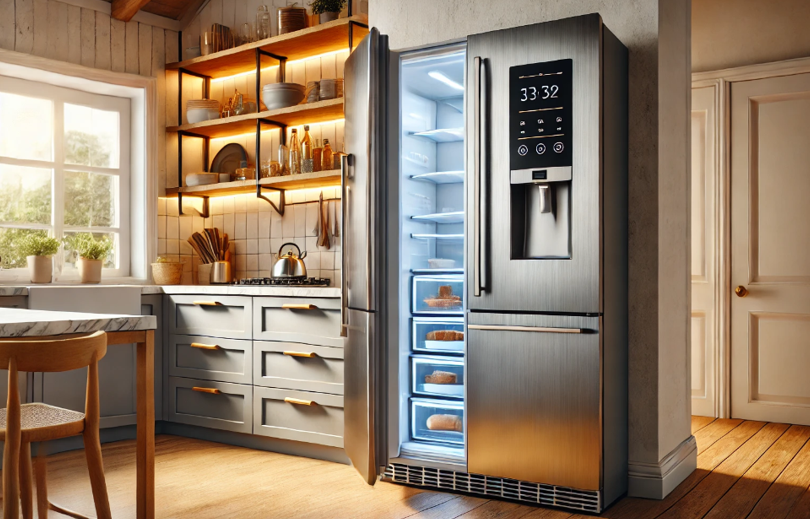
Under this regulation, products listed in the official table must meet the relevant Indian Standards and display the Standard Mark under a BIS license as outlined in Scheme-1 of Schedule-II of the BIS (Conformity Assessment) Regulations, 2018. Exceptions are made for goods intended for export, small and micro enterprises, and up to 200 items imported annually for research and development, provided these are not sold commercially. The Bureau of Indian Standards will act as the certifying and enforcing authority, and violations of this order will be subject to penalties under the BIS Act, 2016.
You can find an overview of the new certification mandatory products in the table at the end of this article.
If you are interested in understanding what requirements are needed for your product to be imported into India, please do not hesitate to contact us by email or phone (Europe: +49-69-271 37 69 261, US: +1 773 654-2673). If a certification need is discovered we can provide a quotation to make sure that all your certification needs are covered.
If you have any questions you can also use our chat-window in the bottom right. (Please check your browser settings if you can’t see the window)
For more information about BIS certification, please refer to our free brochure “BIS Certification Made Easy“.
| Standard | Product Name |
| IS 302 (Part 1) : 2008 | Vacuum Cleaners and Water Suction Cleaning Appliances |
| Spin Extractors | |
| Cooking Ranges, Hobs, Ovens and Similar Appliances | |
| Electrical Shavers Hair, Clippers and Similar Appliances | |
| Tumbler Dryers | |
| Warming Plates and Similar Appliances | |
| Frying Pans, Deep Fat Fryers and similar appliances | |
| Appliances for Heating Liquids | |
| Massage Appliances | |
| Electric Forced Convection Ovens, Steam Cookers and Steam -Convection Ovens | |
| Electric Heating Tools | |
| Electric Steam Cookers | |
| Insect Killers | |
| Electric Fence Energizers | |
| Electric Call Bells and Buzzers for Indoor Use | |
| Electric Water Boilers | |
| Electric Coffee Makers | |
| Electric Bean Slicers | |
| Electric Berryjuice Extractors | |
| Electric Can Openers | |
| Electric Centrifugal Juicers | |
| Electric Churn | |
| Electric Citrusfruit Squeezers | |
| Electric Coffee Mills not exceeding 500g hopper capacity | |
| Electric Cream Whippers | |
| Electric Egg Beaters | |
| Electric Food Processors | |
| Electric Grain Grinders not exceeding 3l hopper capacity | |
| Electric Graters | |
| Electric IceCream Machines, including those for use in refrigerators and freezers | |
| Electric Knife Sharpeners | |
| Electric Knives | |
| Electric Noodle Makers | |
| Electric Potato Peelers | |
| Electric Shredders | |
| Electric Sieving Machines | |
| Slicing Machines | |
| Electric Hot Plates | |
| Single Walled Baking Ovens | |
| Low Speed Food Grinding Machines | |
| Dishwashers | |
| Floor Treatment Machines and Wet Scrubbing Machines | |
| Food Waste Disposers | |
| Blankets, Pads, Clothing and Similar Flexible Heating Appliances | |
| Appliances for Skin Exposure to Optical Radiation | |
| Commercial Electric Cooking Ranges, Ovens, Hobs and Hob Elements | |
| Commercial Electric Doughnut Fryers and Deep Fat Fryers | |
| Commercial Electric Griddles and Griddle Grills | |
| Commercial Electric Multi – purpose Cooking Pans | |
| Commercial Electric Forced Convection Ovens, Steam Cookers and Steam – Convection Ovens | |
| Clothes Dryers and Towel Rails | |
| Commercial Electric Boiling Pans | |
| Commercial Electric Grillers and Toasters | |
| Commercial Electric Appliances for keeping Food and Crockery Warm | |
| Commercial Electric BainsMarie | |
| Oral Hygiene Appliances | |
| Sauna Heating Appliances and Infrared Cabins | |
| Surface-Cleaning Appliances for Household use Employing Liquids or Steam | |
| Electrical Appliances for use with Aquariums and Garden Ponds | |
| Commercial Electric Dishwashing Machines | |
| Whirlpool Baths and Whirlpool Spas | |
| Thermal Storage Room Heaters | |
| Commercial Electric Rinsing Sinks | |
| Commercial Electric Kitchen Machines | |
| Air-Cleaning Appliances | |
| Water-Bed Heaters | |
| Fixed Immersion Heaters | |
| Outdoor Barbecues | |
| Foot Warmers and Heating Mats | |
| Amusement Machines and Personal Service Machines | |
| Toilet Appliances | |
| Fabric Steamers | |
| Drives for Vertically Moving Garage Doors for Residential Use | |
| Humidifiers | |
| Commercial Electric Hoods | |
| Vaporizers | |
| Gas, Oil and Solid-Fuel Burning Appliances Having Electrical Connections | |
| Electrolysers | |
| Beauty Care Appliances Incorporating Lasers and Intense Light Sources | |
| Personal-eTransporters | |
| Skin Beauty Care Appliances | |
| Furniture with Electrically Motorized Parts | |
| Commercial Vacuum Packaging Appliances | |
| Electric Hand Lamps | |
| Hand held electric Engraving Tools |
New BIS Standard for Three-Piece Metal Cans in the Food and Beverage Industry
The Bureau of Indian Standards (BIS) has introduced a new standard, IS 18427: 2024, aimed at the food and beverage industry, specifically for three-piece round open-top metal cans. These cans, widely used for packaging, play a crucial role in the preservation and transportation of food and beverages. The new standard replaces older standards, including IS 2034, IS 9396 Part 1, and IS 9396 Part 2, which will be withdrawn by January 18, 2025. This shift in regulation is expected to enhance manufacturing practices and product safety. Three-piece round open-top metal cans require BIS ISI certification to be approved for import and sale in India.

The three-piece can design, which dates back to the 19th century, includes a cylindrical body with a welded seam and two seamed ends. These cans are valued for their adaptability, ease of production, and ability to be customized in terms of shape and size. The BIS certification process involves manufacturers submitting applications and product samples for testing at accredited labs in India. Only products that meet the prescribed safety standards are granted certification, which is essential for the legal sale of food and beverage containers in the country.
If you are interested in understanding what requirements are needed for your product to be imported into India, please do not hesitate to contact us by email or phone (Europe: +49-69-271 37 69 261, US: +1 773 654-2673). If a certification need is discovered we can provide a quotation to make sure that all your certification needs are covered.
If you have any questions you can also use our chat-window in the bottom right. (Please check your browser settings if you can’t see the window)
For more information about BIS certification, please refer to our free brochure “BIS Certification Made Easy“.
DoT Introduces Faster Approvals for Telecom Licenses and Wireless Equipment
The Department of Telecommunications (DoT) has implemented key reforms to expedite the approval processes for telecom licenses and wireless equipment in India. These updates include fixed timelines for Experimental Licenses and Demonstration Licenses, reducing regulatory delays and enhancing efficiency. For Experimental Licenses (Radiating Category), licenses not requiring Inter-Ministerial Consultation will be automatically issued after 30 days. In cases where consultation is needed, a provisional license is granted after 60 days if no comments are received, with conversion to a regular license after 90 days. Similarly, Demonstration Licenses will be deemed granted after 15 days without consultation, or 45 days when consultation is required. Telecommunication and wireless equipment usually require WPC certification in order to be approved for import and sale in India.

In addition, Equipment Type Approvals (ETA) for license-exempt wireless devices will now be granted on a self-declaration basis, significantly reducing the time and effort for companies looking to introduce wireless equipment into the Indian market. Applications can be submitted through the SARAL Sanchar portal, where ETA certificates can be downloaded post-submission. These changes follow the recommendations of the Telecom Regulatory Authority of India (TRAI) to improve the ease of doing business in the telecom sector. ETA holders must still secure necessary clearances, such as a No Objection Certificate from the Directorate General of Foreign Trade (DGFT), before importing equipment into India.
WPC certification is necessary for wireless products in order to be used and sold in India.
The national broadcasting authority WPC (Wireless Planning & Coordination) is responsible for this certification, in order to regulate the issuing of issuing of amateur radio licenses and the allocation and monitoring of the frequency spectrum.
If you are interested in understanding what requirements are needed for your product to be imported into India, please do not hesitate to contact us by email or phone (Europe: +49-69-271 37 69 261, US: +1 773 654-2673). There is no cost or obligation for us to check for you. If a certification need is discovered we can provide a quotation to make sure that all your certification needs are covered.
For more information about WPC certification, please refer to our free brochure “WPC Certification Made Easy“.
 We are part of the CERTANIA-Group.