

Schließen

BIS Guideline for Parallel Testing of Electronic Products
As a pilot project, parallel testing and certification was introduced for mobile phones only. BIS certification requirements are relevant for mobile phones including critical components such as cell, battery and adapter.

The applications received in the last six months have been relatively low. BIS has decided to expand the pilot project to include two more product categories.
1. Wireless headphones and earphones
2. Tablet/Laptop/Notebook
The process for the BIS registration (CRS) can be lengthy due to the number of product tests and component tests required. With parallel testing, battery testing can be initiated as soon as the BIS-approved testing laboratory releases the cell report, and host product testing can be initiated as soon as the BIS-approved laboratory releases the battery report, without waiting for the battery to be BIS-registered. Thus, the overall certification time can be shortened.
Guidelines for the implementation of parallel tests:
1) This refers to Registration/Guidelines RG: 01 dated December 15, 2022, regarding “Guidelines for Grant of Licence (GoL) under Conformity Assessment Scheme II of Schedule II of the BIS (Conformity Assessment) Regulations, 2018” and Registration Guidelines RG:01 dated December 16, 2022.
2) These guidelines allow for the parallel testing of electronic products covered by the BIS compulsory registration scheme (CRS). These guidelines are voluntary in nature and manufacturers will continue to be able to submit applications for registration to BIS sequentially according to the existing procedure.
3) All components that must be registered under the CRS can be tested in parallel in one of the BIS-approved laboratories. In parallel testing, the laboratory will test the first component and issue a test report. This test report number, together with the name of the laboratory, will be included in the test report of the second component. This procedure is also used for the subsequent components and the final product.
If you are interested in understanding what requirements are needed for your product to be imported into India, please do not hesitate to contact us by email or phone (Europe: +49-69-271 37 69 261, US: +1 773 654-2673). There is no cost or obligation for us to check for you. If a certification need is discovered we can provide a quotation to make sure that all your certification needs are covered.
If you have any questions you can also use our chat-window in the bottom right. (Please check your browser settings if you can’t see the window)
For more information about BIS certification, please refer to our free brochure “BIS Certification Made Easy“.
Deadline Extension for BIS-ISI Certification IS 15490: 2017 of CNG Tanks
The implementation deadline for BIS-ISI certification to IS 15490:2017, which relates to “Seamless Steel Cylinders for On-Board Storage of Compressed Natural Gas as a Fuel for Automotive Vehicles”, has been extended. The deadline for compliance with the amendment, originally set for June 2, 2023, is now June 2, 2024. This deadline extension for the BIS certification is due to requests from manufacturers and users.

In June 2021, Amendment No. 1 was published together with guidelines for its implementation. While the extension allows additional time for implementation, all relevant organizations are encouraged to promptly notify licensees and applicants and ensure that Amendment No. 1 is fully implemented within the new deadline.
Despite the extension, it is important to note that the other provisions and instructions contained in Circular No. CMD-III/16: IS 15490, issued on 7 July 2021, remain unchanged. Manufacturers and users should therefore continue to adhere to the existing guidelines and requirements of the circular.
If you are interested in understanding what requirements are needed for your product to be imported into India, please do not hesitate to contact us by email or phone (Europe: +49-69-271 37 69 261, US: +1 773 654-2673). There is no cost or obligation for us to check for you. If a certification need is discovered we can provide a quotation to make sure that all your certification needs are covered.
If you have any questions you can also use our chat-window in the bottom right. (Please check your browser settings if you can’t see the window)
For more information about BIS certification, please refer to our free brochure “BIS Certification Made Easy“.
Changes to the Mandatory Certification of Tires in India
On June 20, 2023 the Ministry of Road Transport and Highways issued a notification, G.S.R. 453(E), announcing the Central Motor Vehicles (Fourth Amendment) Rules, 2023. These rules are an amendment to the Central Motor Vehicles Rules, 1989, which in turn are fundamental to AIS certification and will come into force on their publication in the Gazette. The amendment affects the tire specifications for C1, C2 and C3 motor vehicles, which going forward must be tested in accordance with the Automotive Industry Standard (AIS) AIS-142.
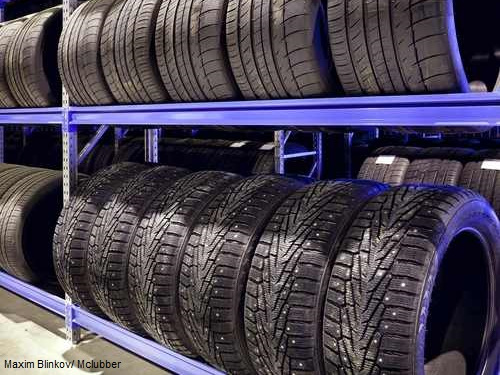
The implementation deadlines for the changes are as follows: From January 1, 2024, new and already certified tires must comply with the rolling resistance and wet grip requirements. From October 1, 2024, the same tires will then also have to meet the rolling sound requirements. As required by the Motor Vehicles Act 1988, objections and suggestions could be made during the update; however, no responses were received from the public on the proposed changes.
These amendments aim to improve safety and environmental standards by regulating the quality and performance of tires for motor vehicles. Rolling resistance and wet grip requirements ensure better control and handling, especially on wet road conditions, while rolling noise standards aim to minimise noise pollution caused by tires. With these changes, the Ministry of Road Transport and Highways aims to improve overall road safety and reduce the environmental impact of vehicles on Indian roads.
AIS stands for Automotive Industry Standards, the technical automotive standards for India, while TAC stands for Type Approval Certificate. This kind of automotive product certifiation is conducted by authorities like the International Center for Automotive Technology (iCAT).
Depending on the product category, there are different certification steps. We will be happy to advise you on certification in India like AIS, BIS, WPC, TEC or PESO and are always available to answer your questions.
Please do not hesitate to contact us for further details and consultation. You can contact us via e-mail, or call us (UK: +44 2071931135, Rest of Europe: +49 69 2713769261, US: +1 773 654-2673).
If you have any questions you can also use our chat-window in the bottom right. (Please check your browser settings if you can’t see the window)
You can also check out our free AIS-Brochure, which can be downloaded right here as a PDF file.
New MTCTE Criteria for Routers, LAN Switches and DWDM Equipment
India’s Telecommunication Engineering Centre (TEC) announced on April 18, 2023, the approval of new certification criteria for issuing provisional certificates under the MTCTE (Mandatory Testing Certification of Telecommunication Equipment) guidelines. Wireless radio and telecommunication equipment typically requires TEC certification to be imported and operated in India.
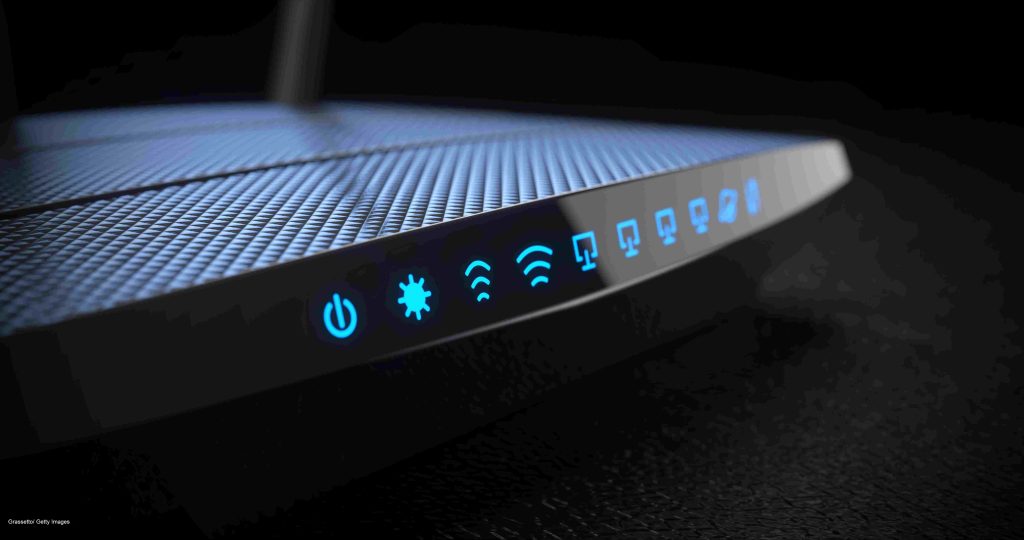
These include special test conditions for routers, LAN switches, and for Dense Wavelength Division Multiplexing (DWDM) equipment as long as they meet the following specifications:
- Single-phase or three-phase operation with current requirements ≥ 32A OR
- Operation on 48 V DC with a current requirement ≥100A.
Conditions include mandatory test reports to be submitted from laboratories with ILAC accreditation for EMI/EMC and safety parameters. Safety parameters must be guaranteed by a Self-Declaration of Conformity (SDOC) from the manufacturer.
For such products, the above parameters may be exempted and a provisional TEC certificate, valid for two years, may be issued. The applicant shall provide the specifications related to voltage, amperage and power requirements for such products in the Bill of Materials (BOM) file submitted with the MTCTE application.
At the time of the announcement of the security requirements (Indian Telecommunication Security Assurance Requirements – ITSAR) for LAN switches and DWDM equipment, the conversion of the provisional certificate into an integrated MTCTE certificate must be applied for, including security tests.
The date for submitting MTCTE applications for router products with security tests has already been set for July ,1 2023.
If you are interested in understanding what requirements are needed for your product to be imported into India, please do not hesitate to contact us by email or phone (Europe: +49-69-271 37 69 261, US: +1 773 654-2673). There is no cost or obligation for us to check for you. If a certification need is discovered we can provide a quotation to make sure that all your certification needs are covered.
For more information about TEC certification, please refer to our free brochure “TEC Certification Made Easy“.
Deadline Extension for BIS-ISI Certification IS 9436 of Automotive Wheel Rims
The Indian Ministry of Heavy Industries in New Delhi has issued a new order postponing the implementation date for the mandatory BIS-ISI certification for automotive rims by another six months. The initial implementation date had been set for June 22, 2023, but has now been postponed to December 22, 2023.

The Ministry of Heavy Industries has made this amendment in consultation with the Bureau of Indian Standards (BIS) in the interest of manufacturers to accommodate the pandemic-related delays. The ministry continues to focus on the development and regulation of the automotive industry in India with the amended regulation. Through stricter quality control measures, the government aims to increase consumer confidence and safety with vehicles available in India.
The amendment reflects the government’s commitment to improving safety and quality standards across the automotive sector, but at the same time taking into account the feasibility of approval on the manufacturer side. This ultimately benefits both manufacturers and consumers.
If you are interested in understanding what requirements are needed for your product to be imported into India, please do not hesitate to contact us by email or phone (Europe: +49-69-271 37 69 261, US: +1 773 654-2673). There is no cost or obligation for us to check for you. If a certification need is discovered we can provide a quotation to make sure that all your certification needs are covered.
If you have any questions you can also use our chat-window in the bottom right. (Please check your browser settings if you can’t see the window)
For more information about BIS certification, please refer to our free brochure “BIS Certification Made Easy“.
Merging of IS 13252-1 and IS 616 to IS/IEC 62368-1 in India
Under BIS certification electronic and IT products and audio/video equipment were previously covered by the standards IS 13252-1 and IS 616 respectively. BIS has proposed to combine these two standards under one base standard IS/IEC 62386-1. This change has already been made in most countries around the world, where IEC/EN 62368 is the recognized standard.

BIS (Bureau of Indian Standards) plans to publish IS/IEC 62368 version 4.0 in July or August 2023. After publication, the Ministry of Electronics and Information Technology (MeitY) will hold consultations with stakeholders for the implementation of the standard in India.
To facilitate compliance with this change, BIS has proposed a two-year period for both IS/IEC 62368-1 and the existing standards (IS 13252-1 and IS 616). During this period, manufacturers and stakeholders will be expected to comply with both standards.
BIS will provide guidance for implementation once the standard is published.
If you are interested in understanding what requirements are needed for your product to be imported into India, please do not hesitate to contact us by email or phone (Europe: +49-69-271 37 69 261, US: +1 773 654-2673). There is no cost or obligation for us to check for you. If a certification need is discovered we can provide a quotation to make sure that all your certification needs are covered.
If you have any questions you can also use our chat-window in the bottom right. (Please check your browser settings if you can’t see the window)
For more information about BIS certification, please refer to our free brochure “BIS Certification Made Easy“.
New Regulations for TEC Marking
The Ministry of Telecommunications and Electronics (MoTE) in India has announced a new notice on the labeling of products under TEC certification. The updated guidelines designed to ensure consumer safety and compliance with quality standards, were released on May 22, 2023. The initiative is an important step in the Indian government’s ongoing efforts to protect consumers and promote responsible manufacturing practices in the telecommunications industry.

The notification requires manufacturers and importers to include essential information on product packaging, including the Indian Standard Mark, which indicates compliance with quality standards.
In addition, a period of 6 months was introduced during which the products must be marked in accordance with the regulations. This period starts from the date of issuance of the certificate.
Under the Indian Telegraph (Amendment) Rules of 2017, there is a mandatory certification and testing requirement for telecom products in India. TEC certification must be completed before import into India. In this process, the products must comply with the regulations called “Essential Requirements” (ER). Imported products must also be tested in accredited test laboratories in India.
If you are interested in understanding what requirements are needed for your product to be imported into India, please do not hesitate to contact us by email or phone (Europe: +49-69-271 37 69 261, US: +1 773 654-2673). There is no cost or obligation for us to check for you. If a certification need is discovered we can provide a quotation to make sure that all your certification needs are covered.
For more information about TEC certification, please refer to our free brochure “TEC Certification Made Easy“.
TEC Introduces Mandatory Security Testing for Wi-Fi CPE and IP Router Products
In its latest announcement from February 27, 2023, the Telecom Engineering Centre (TEC), which issues the eponymous TEC certification in India, has designated two new product categories for mandatory security testing. As a result, from July 1, 2023, security tests conducted under the MTCTE framework will become mandatory for the “Wi-Fi CPE” and “IP Router” product categories. This means that certification applications submitted after the effective date must include test reports that comply with the security parameters specified in the corresponding ITSARs (Indian Telecom Security Assurance Requirements) as well as other parameters listed in the Essential Requirements (ER) for these products.

It is crucial that companies that have submitted or received certification approvals before July 1, 2023 must also take steps to comply with the new safety requirements. They will need to apply for the conversion of their existing MTCTE certificates to ensure alignment with the updated security standards. To simplify this process and facilitate integration, the MTCTE portal will introduce a convenient “Certificate Change” option.
The introduction of these security tests underlines TEC’s commitment to improving the security and reliability of telecommunications equipment, particularly in the area of Wi-Fi CPE and IP router devices. By setting stringent security parameters and providing a standardised framework for testing, TEC aims to strengthen the overall security infrastructure of these important product categories in the telecommunications industry.
TEC certification has been around many years before 2019 as a voluntary certification, but since April 2019 the certification has been mandatory and every year the Telecommunication Engineering Center (TEC) expands the certification catalog and adds more telecom products. See the list of TEC standards here.
If you are interested in understanding what requirements are needed for your product to be imported into India, please do not hesitate to contact us by email or phone (Europe: +49-69-271 37 69 261, US: +1 773 654-2673). There is no cost or obligation for us to check for you. If a certification need is discovered we can provide a quotation to make sure that all your certification needs are covered.
For more information about TEC certification, please refer to our free brochure “TEC Certification Made Easy“.
BIS Certification for Automotive Wheel Rims Due to Quality Control Orders (QCO)
The Government of India has announced the implementation of several Quality Control Orders (QCO) for automotive wheel rims for the dates below. They will come into effect starting June 2023.
The table below shows an overview of different product groups of Automotive Wheel Rims for which new standards and implementation dates and thus a mandatory BIS-CRS certification are to be expected:
Overview of new standards and launch dates
| Sr. No. | Product | Indian Standard | Date of Implementation |
| 37 | Automotive Vehicles Wheel Rims for Two and Three Wheeled Vehicles Part 1 Light Alloy Wheel Rims Method of Tests and Requirements | IS: 16192 (Part 1) | 22 June 2023 |
| 38 | Automotive Vehicles Wheel Rims for Two and Three Wheeled Vehicles Part 2 Sheet Metal Wheel Rims Method of Tests and Requirements | IS: 16192 (Part 2) | 22 June 2023 |
| 39 | Automotive Vehicles Wheel Rims for Two and Three Wheeled Vehicles Part 3 Spoke Wheel Rims Method of Tests and Requirements | IS: 16192 (Part 3) | 22 June 2023 |
| 40 | Performance Requirements and Methods of Tests for Wheels for Passenger Cars | IS: 9436 | 22 June 2023 |
| 41 | Performance Requirements and Methods of Tests for Wheels or Rims for Trucks and Buses | IS: 9438 | 22 June 2023 |
If you are interested in understanding what requirements are needed for your product to be imported into India, please do not hesitate to contact us by email or phone (Europe: +49-69-271 37 69 261, US: +1 773 654-2673). There is no cost or obligation for us to check for you. If a certification need is discovered we can provide a quotation to make sure that all your certification needs are covered.
If you have any questions you can also use our chat-window in the bottom right. (Please check your browser settings if you can’t see the window)
For more information about BIS certification, please refer to our free brochure “BIS Certification Made Easy“.
BIS Certification for Low-Voltage Switchgear Due to Quality Control Orders (QCO)
The Government of India has announced the implementation of several Quality Control Orders (QCO) for Low Voltage Switch gears and Control gears for the dates below. BIS Certification becomes mandatory for these product categories.
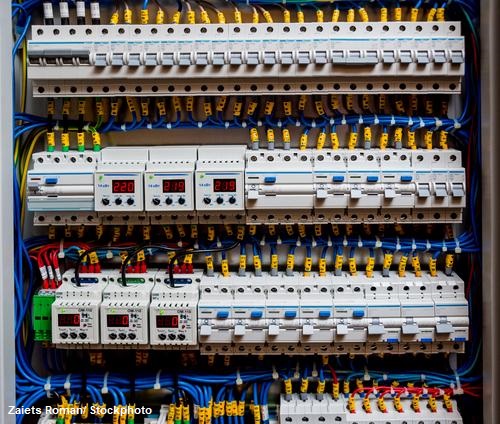
Here you can see an overview of different product groups of low-voltage switchgear and control gear for which new standards and implementation dates and thus a mandatory BIS-CRS certification are to be expected:
| Sr. No. | Product | Indian Standard | Date of Implementation |
| 20 | Low – Voltage switchgear and control gear: Part 2 circuit – Breakers | IS/IEC 60947 :Part 2 : 2016 | 10th May 2023 |
| 21 | Low – Voltage switchgear and control gear: Part 3 switches, disconnectors, switch disconnectors and fuse – Combination units | IS/IEC 60947 :Part 3 : 2012 | 10th May 2023 |
| 22 | Low – Voltage switchgear and control gear: Part 4 contactors and motor – Starters: Sec 1 electromechanical contactors and motor – Starters | IS/IEC 60947 :Part 4 : Sec 1 : 2012 | 10th May 2023 |
| 23 | Low – Voltage switchgear and control gear: Part 4 contactors and motor – Starters: Sec 2 a.c semiconductor motor controllers and starters | IS/IEC 60947 :Part 4 : Sec 2 : 2014 | 10th May 2023 |
| 24 | Low – Voltage switchgear and control gear: Part 4 contactors and motor – Starters: Sec 3 a.c. semiconductor motor controllers and contactors for non – Motor loads | IS/IEC 60947 :Part 4 : Sec 3 : 2014 | 10th May 2023 |
| 25 | Low – Voltage switchgear and control gear: Part 5 control circuit devices and switching elements: Sec 1 electromechanical control circuit devices | IS/IEC 60947 : Part 5 : Sec 1 : 2009 | 1 May 2023 |
| 26 | Low – Voltage switchgear and control gear: Part 5 control circuit devices and switching elements: Sec 2 proximity switches | IS/IEC 60947 : Part 5 : Sec 2 : 2007 | 1 May 2023 |
| 27 | Low – Voltage switchgear and control gear: Part 5 control circuit devices and switching elements: Sec 5 electrical emergency stop devices with mechanical latching function | IS/IEC 60947 : Part 5 : Sec 5 : 2016 | 10 May 2023 |
If you are interested in understanding what requirements are needed for your product to be imported into India, please do not hesitate to contact us by email or phone (Europe: +49-69-271 37 69 261, US: +1 773 654-2673). There is no cost or obligation for us to check for you. If a certification need is discovered we can provide a quotation to make sure that all your certification needs are covered.
If you have any questions you can also use our chat-window in the bottom right. (Please check your browser settings if you can’t see the window)
For more information about BIS certification, please refer to our free brochure “BIS Certification Made Easy“.
 We are part of the CERTANIA-Group.