


Schließen


Update on ISI Certification of Non-Alloy and Alloy Steel Blocks: IS 14650:2023
The Bureau of Indian Standards (BIS) has issued guidance for the implementation of the revised IS 14650:2023.
IS 14650:2023 is a uniform standard for all semi-finished products that can be used for re-rolling into any steel product, regardless of their use. These steel ingots are subject to BIS-ISI Certification in India in order to be approved for import and use.

The date of implementation of this policy will enter into force on September 28, 2024.
All manufacturers who are BIS licensees of the following standards must switch to IS 14650:2023:
- IS 14650:1999
- IS 2830:2012
- IS 2831:2012
- IS 8052:2006
- IS 8951:2001
- IS 8952:2005
If you are interested in understanding what requirements are needed for your product to be imported into India, please do not hesitate to contact us by email or phone (Europe: +49-69-271 37 69 261, US: +1 773 654-2673). There is no cost or obligation for us to check for you. If a certification need is discovered we can provide a quotation to make sure that all your certification needs are covered.
If you have any questions you can also use our chat-window in the bottom right. (Please check your browser settings if you can’t see the window)
For more information about BIS certification, please refer to our free brochure “BIS Certification Made Easy“.
Louis Gogger is new Managing Director of MPR International GmbH
Frankfurt am Main – Louis Gogger took over the position of Managing Director of MPR International GmbH on March 1, 2024. Louis Gogger was previously Country Manager India and was largely responsible for the company’s market entry in the fast-growing and promising Indian market.

“Louis Gogger has demonstrated outstanding leadership skills and a deep understanding of the dynamics of international markets. He has a clear vision for MPR International and will be able to significantly strengthen the momentum of our development,” says Julian Busch, who has been the sole managing director to date, commenting on this strategically important decision.
Louis Gogger joins the company with the aim of opening up new sales markets and further developing the company’s service portfolio. “The demand for certifications has increased significantly among German and European manufacturers over the past two years, especially for India and South Korea. We are also noticing a dynamization of the approval regulations and test requirements on the part of the authorities, which also requires the professionalization of certification projects. For OEMs and suppliers, as well as exporters, the need for professional advice is becoming increasingly clear,” he says, referring to the significant increase in sales that the company has recorded.
The increasing consideration of sustainability and environmental aspects is also accelerating the increase in approval requirements in the Asian markets. MPR International will therefore adapt its personnel and region to these requirements in order to secure its market leadership for Asian certifications in the long term.
Food Safety and Standards Authority of India (FSSAI) reinstates Guidelines for Nutritional Supplements and specialized Food Items
In 2022, the Food Safety and Standards Authority of India (FSSAI) introduced updated regulations named Draft FSS Regulations (Health Supplements, Nutraceuticals, Food for Special Dietary Use, Food for Special Medical Purpose, Prebiotic, and Probiotic Food), superseding the 2016 guidelines. These regulations make FSSAI Registration for the mentioned product categories mandatory, in order for them to be approved for import and distribution in India.

The regulations initially took effect on March 29, 2022, with subsequent amendments on May 10, 2022, to incorporate additional additives and enzymes/proteins for health supplements. Although initially enforced on October 1, 2022, and revisited on April 1, 2023, the full official adoption of these rules has been delayed. Hence, an extension has been granted for three more months from October 1, 2023, as per the directive dated April 11, 2023, under the empowerment of the Food Safety and Standards Act of 2006.
If you are interested in understanding what requirements are needed for your product to be imported into India, please do not hesitate to contact us by email or phone (Europe: +49-69-271 37 69 261, US: +1 773 654-2673). There is no cost or obligation for us to check for you. If a certification need is discovered we can provide a quotation to make sure that all your certification needs are covered.
If you have any questions you can also use our chat-window in the bottom right. (Please check your browser settings if you can’t see the window)
BIS Certification for Water Dispensers Due to New Quality Control Order (QCO) in India
On October 23, 2023, the Indian government published a new Quality Control Order (QCO) for water dispensers. The affected standards refer to the ISI certification scheme (Scheme I) of the BIS certification. BIS-ISI certification is required for many different product groups such as electronics, household appliances, safety glass, etc.
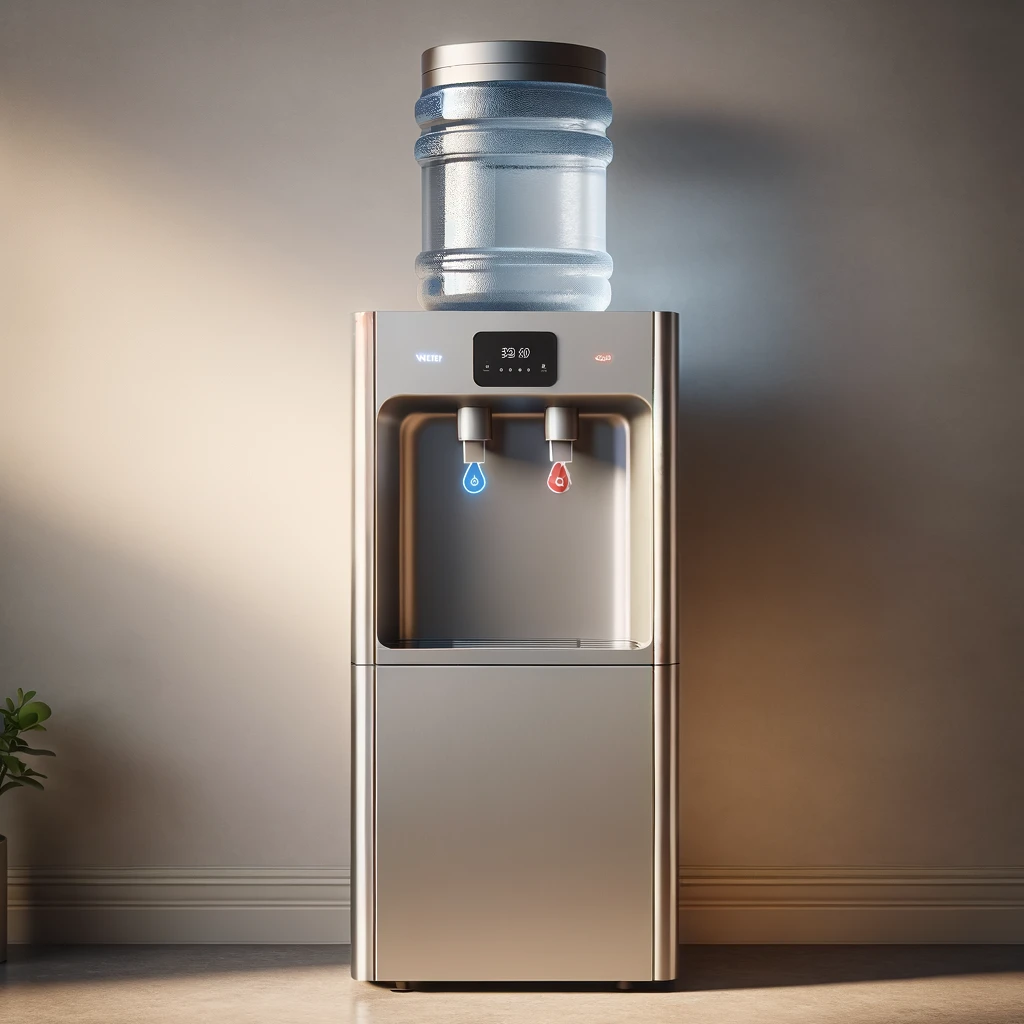
The introduction of the BIS certification requirement is intended to improve the quality of water dispensers and give consumers confidence in the safety and reliability of these devices. The Ministry expects that the implementation of these measures will contribute to a safer and more regulated market for water dispensers, which is in line with the broader objective of ensuring consumer safety and well-being.
Starting on April 1, 2024, BIS certification will therefore also be mandatory for water dispensers.
If you are interested in understanding what requirements are needed for your product to be imported into India, please do not hesitate to contact us by email or phone (Europe: +49-69-271 37 69 261, US: +1 773 654-2673). There is no cost or obligation for us to check for you. If a certification need is discovered we can provide a quotation to make sure that all your certification needs are covered.
If you have any questions you can also use our chat-window in the bottom right. (Please check your browser settings if you can’t see the window)
For more information about BIS certification, please refer to our free brochure “BIS Certification Made Easy“.
BIS Sets New Benchmark for India’s Hydrogen Industry in India
In a significant development for India’s hydrogen industry, the Bureau of Indian Standards (BIS) has published a list of 23 Indian standards related to hydrogen. This announcement, which is crucial for the BIS certification process, marks a significant step in the standardization and regulation of the hydrogen sector in India.

The latest Bureau of Indian Standards (BIS) standards cover a wide range of products that are critical to the hydrogen industry in India. They include, inter alia, the specifications on the quality of hydrogen fuel (IS 16061:2021) and include safety-related requirements for hydrogen generators using fuel processing technologies (IS 16512:2016) as well as for those using water electrolysis (IS 16509:2020). Furthermore, the standards contain guidelines for hydrogen detection devices in stationary applications (IS 16253:2016) and set requirements for liquid hydrogen in vehicle tanks (IS/ISO 13985:2006) and for gaseous hydrogen refuelling connections for land vehicles (IS/ISO 17268:2020). These standards are a sign of a comprehensive and well-thought-out strategy focused on the safe use, storage, and handling of hydrogen.
| NO. | INDIAN STANDARD |
| 1 | IS 16061:2021 Hydrogen Fuel Quality Product Specification |
| 2 | IS 16512 (PART 1):2016 Hydrogen generators using fuel processing technologies — Part 1: Safety |
| 3 | IS 16509:2020 Hydrogen generators using water electrolysis — Industrial, commercial, and residential applications |
| 4 | IS 16253:2016 Hydrogen detection apparatus — Stationary applications |
| 5 | IS/ISO 13985:2006 Liquid hydrogen — Land vehicle fuel tanks |
| 6 | IS/ISO 17268:2020 Gaseous hydrogen land vehicle refuelling connection devices |
| 7 | IS/ISO 12619-1:2014 Road vehicles — Compressed gaseous hydrogen (CGH2) and hydrogen/natural gas blends fuel system components — Part 1: General requirements and definitions |
| 8 | IS/ ISO 12619-2:2014 Road vehicles — Compressed gaseous hydrogen (CGH2) and hydrogen/natural gas blends fuel system components — Part 2: Performance and general test methods |
| 9 | IS/ ISO 12619-3:2014 Road vehicles — Compressed gaseous hydrogen (CGH2) and hydrogen/natural gas blends fuel system components — Part 3: Pressure regulator |
| 10 | IS/ ISO 12619-4:2016 Road vehicles — Compressed gaseous hydrogen (CGH2) and hydrogen/natural gas blends fuel system components — Part 4: Check valve |
| 11 | IS/ISO 12619-5:2016 Road vehicles — Compressed gaseous hydrogen (CGH2) and hydrogen/natural gas blends fuel system components — Part 5: Manual cylinder valve |
| 12 | IS/ ISO 12619-6:2017 Road vehicles — Compressed gaseous hydrogen (CGH2) and hydrogen/natural gas blends fuel system components — Part 6: Automatic valve |
| 13 | IS/ ISO 12619-7:2017 Road vehicles — Compressed gaseous hydrogen (CGH2) and hydrogen/natural gas blends fuel system components — Part 7: Gas injector |
| 14 | IS/ ISO 12619-8:2017 Road vehicles — Compressed gaseous hydrogen (CGH2) and hydrogen/natural gas blends fuel system components — Part 8: Pressure indicator |
| 15 | IS/ ISO 12619-9:2017 Road vehicles — Compressed gaseous hydrogen (CGH2) and hydrogen/natural gas blends fuel system components — Part 9: Pressure relief valve (PRV) |
| 16 | IS/ ISO 12619-10:2017 Road vehicles — Compressed gaseous hydrogen (CGH2) and hydrogen/natural gas blends fuel system components — Part 10: Pressure relief device (PRD) |
| 17 | IS/ ISO 12619-11:2017 Road vehicles — Compressed gaseous hydrogen (CGH2) and hydrogen/natural gas blends fuel system components — Part 11: Excess flow valve |
| 18 | IS/ ISO 12619-12:2017 Road vehicles — Compressed gaseous hydrogen (CGH2) and hydrogen/natural gas blends fuel system components — Part 12: Gas-tight housing and ventilation hoses |
| 19 | IS/ ISO 12619-13:2017 Road vehicles — Compressed gaseous hydrogen (CGH2) and hydrogen/natural gas blends fuel system components — Part 13: Rigid fuel line in stainless steel |
| 20 | IS/ ISO 12619-14:2017 Road vehicles — Compressed gaseous hydrogen (CGH2) and hydrogen/natural gas blends fuel system components — Part 14: Flexible fuel line |
| 21 | IS/ ISO 12619-15:2017 Road vehicles — Compressed gaseous hydrogen (CGH2) and hydrogen/natural gas blends fuel system components — Part 15: Filter |
| 22 | IS/ ISO 12619-16:2017 Road vehicles — Compressed gaseous hydrogen (CGH2) and hydrogen/natural gas blends fuel system components — Part 16: Fittings |
| 23 | IS/ISO 23828: 2013 Fuel Cell Road Vehicles – Energy Consumption Measurement – Vehicles fuelled with Compressed Hydrogen |
The introduction of these standards by the BIS is a milestone in the development and regulation of the hydrogen sector in India. With this initiative, BIS aims to increase safety, reliability, and efficiency in the handling of hydrogen. These standards have the potential to have a profound impact on the energy industry, transportation sector, and environmental sustainability in India. At a time when hydrogen technology is advancing rapidly, these BIS certifications will be instrumental in shaping and adapting the industry to global best practices.
If you are interested in understanding what requirements are needed for your product to be imported into India, please do not hesitate to contact us by email or phone (Europe: +49-69-271 37 69 261, US: +1 773 654-2673). There is no cost or obligation for us to check for you. If a certification need is discovered we can provide a quotation to make sure that all your certification needs are covered.
If you have any questions you can also use our chat-window in the bottom right. (Please check your browser settings if you can’t see the window)
For more information about BIS certification, please refer to our free brochure “BIS Certification Made Easy“.
Mandatory BIS-ISI Certification for Medical Textiles in India
On September 27, 2023 the Indian Ministry of Textiles has released the “Medical Textiles (Quality Control) Order, 2023”. This publication aims to enhance the quality control measures within the production of medical textiles and key components of healthcare devices. The standards concerned refer to the ISI certification scheme (Scheme I) of the BIS certification.
BIS-ISI certification is required for many different product groups, such as electronics, household appliances, safety glass, etc.
The affected standards will come into effect throughout the course of 2024. BIS certification will be be mandatory for many types of medical textiles.
Here you will find an overview of the affected product groups for which new standards and mandatory BIS certification are expected as well as their implementation dates:
| No. | Good or article | Indian Standard | Title of Indian Standard | Timeline for Implementation |
| 1 | Sanitary Napkins | IS 5405:2019 | Sanitary Napkins – Specification (second revision) | For Small & Micro Enterprises (SME) –October 1, 2024 For Others – April 1, 2024 |
| 2 | Baby Diaper | IS 17509:2021 | Disposable Baby Diaper – Specification | |
| 3 | Reusable Sanitary Pad Sanitary Napkin Period Panties | IS 17514:2021 | Reusable Sanitary Pad/ Sanitary Napkin/ Period Panties -Specification | |
| 4 | Shoe Covers | IS 17349:2020 | Medical Textiles – Shoe Covers – Specification | April 1, 2024 |
| 5 | Dental Bib/ Napkins | IS 17354:2020 | Medical textiles – Dental Bib or Napkins – Specification | |
| 6 | Bedsheets and Pillow Covers | IS 17630:2021 | Medical Textiles – Bed Sheets and Pillow Covers -Specification |
If you are interested in understanding what requirements are needed for your product to be imported into India, please do not hesitate to contact us by email or phone (Europe: +49-69-271 37 69 261, US: +1 773 654-2673). There is no cost or obligation for us to check for you. If a certification need is discovered we can provide a quotation to make sure that all your certification needs are covered.
If you have any questions you can also use our chat-window in the bottom right. (Please check your browser settings if you can’t see the window)
For more information about BIS certification, please refer to our free brochure “BIS Certification Made Easy“.
Indian authorities close at Turn of the Year 2023/2024
During the Christmas period and the transition from 2023 to 2024, various Indian authorities and certification bodies will be closed. These closures will affect New Year’s Day and the following day January 1st and 2nd, 2024.

MPR International GmbH will remain at your side for your certification needs during this time. If you would like to have your products checked for requirements such as AIS, BIS, WPC, TEC or PESO , please do not hesitate to contact us between the holidays, either by phone or e-mail.
Please do not hesitate to contact us for further details and advice. You can contact us by email or call us at +49692713769261.
For direct questions you can also use our chat window in the bottom right corner. (Check your browser settings if you cannot see the chat window).
MPR International GmbH wishes you a successful New Year 2024!
New Quality Control Order for Personal Protection Helmets in India
On October 23, 2023, the DPIIT (Department for Promotion of Industry and Internal Trade) issued an important Quality Control Regulation (QCO) mandating ISI Mark for helmets for police, civil defense, and personal protection. In consequence, personal protection helmets will usually require BIS ISI Certification in order to be approved for the use in the Indian market.

This step serves to extend Indian product quality regulations to ensure the safety of users. The regulation will come into force on April 23, 2024, giving manufacturers a six-month window.
This regulation may be referred to as the Ordinance on Helmets for Police, Civil Protection and Personal Protection (Quality Control), 2023.
The implementation deadlines for small and micro enterprises (SMEs) are as follows:
- Small Enterprises: July 23, 2024
- Micro Enterprises: October 23, 2024
Products listed in column (1) of the table must comply with the relevant Indian standard in column (2) and must bear the BIS ISI mark under a BIS license from the Bureau of Indian Standards:
| Products (1) | Indian Standard (2) | Indian Standard Title (3) |
| Non-Metallic Helmets for Firefighters and Civil Defense Civil Protection Personnel | 2745:1983 | Specification for non-metal helmet for firemen and civil defence personnel |
| Safety helmets | 2925:1984 | Specification for industrial safety helmets |
| Non-Metallic Helmets for Police | 9562:1980 | Non- metal helmet for Police Force |
However, this decree does not apply to goods or objects manufactured domestically for export. These do not require an ISI Mark.
Penalty for Violation: Any person who violates the provisions of this Regulation will face a penalty under the provisions of the Bureau of Indian Standards Act, 2016.
If you are interested in understanding what requirements are needed for your product to be imported into India, please do not hesitate to contact us by email or phone (Europe: +49-69-271 37 69 261, US: +1 773 654-2673). There is no cost or obligation for us to check for you. If a certification need is discovered we can provide a quotation to make sure that all your certification needs are covered.
If you have any questions you can also use our chat-window in the bottom right. (Please check your browser settings if you can’t see the window)
For more information about BIS certification, please refer to our free brochure “BIS Certification Made Easy“.
Delayed Introduction of Mandatory Certification of Maleic Anhydride, Polyethylene Material (PE) and Other Chemicals
The Regulatory Authority (Ministry of Chemicals and Fertilizers) has extended the implementation date for the introduction of maleic anhydride, polyethylene (PE) material for molding and extrusion and ethylene-vinyl acetate copolymers in the Indian market. These chemicals, like many others, must undergo BIS-ISI certification to be approved for the Indian market. The ISI mark is granted according to the rules and regulations laid down in the Foreign Manufacturers Certification Scheme (FMCS) to ensure the quality and safety of products.

The new launch date for these products is listed below:
1. Ethylen-Vinylacetat-Copolymere – IS 13601:1993 – April 3, 2024
2. Maleic Anhydride – IS 5149:2020 – April 24, 2024
3. Polyethylene Material for Molding and Extrusion – IS 7328:2020 – January 5, 2024
The Quality Control Orders were first published in the Gazette of India (Extraordinary) in 2022. Since then, the introduction date has been postponed several times.
The BIS-ISI certification according to the FMCS scheme includes an inspection of the production plant, product tests in India and a corresponding labelling of the products after successful certification.
If you are interested in understanding what requirements are needed for your product to be imported into India, please do not hesitate to contact us by email or phone (Europe: +49-69-271 37 69 261, US: +1 773 654-2673). There is no cost or obligation for us to check for you. If a certification need is discovered we can provide a quotation to make sure that all your certification needs are covered.
If you have any questions you can also use our chat-window in the bottom right. (Please check your browser settings if you can’t see the window) For more information about BIS certification, please refer to our free brochure “BIS Certification Made Easy“.
MEITY Considers Transitioning from BIS CRS to BIS ISI System for LEDs in India
The Ministry of Electronics and Information Technology (MEITY) in India is currently actively exploring the possibility of revising the certification process for LED products. The current focus is on transitioning from the existing BIS-CRS scheme to the more stringent BIS-ISI certification at the Bureau of Indian Standards (BIS). This proposed transition will entail comprehensive changes, including mandatory factory audits, product testing and increased market surveillance measures.
The products affected by the transition to the ISI scheme are LED products. In 2022, the BIS published a draft attempting to convert the CRS label to the ISI label. However, this step was met with strong resistance from the industry. Against this background, MEITY is currently carrying out extensive considerations and is examining the possibility of a completely new certification framework.
LEDs are currently still subject to the mandatory BIS-CRS certification. This includes self-registration of the manufacturer with the BIS, as well as product testing in an accredited Indian laboratory. With a change to BIS certification according to the ISI Scheme, these requirements would change significantly.
If you are interested in understanding what requirements are needed for your product to be imported into India, please do not hesitate to contact us by email or phone (Europe: +49-69-271 37 69 261, US: +1 773 654-2673). There is no cost or obligation for us to check for you. If a certification need is discovered we can provide a quotation to make sure that all your certification needs are covered.
If you have any questions you can also use our chat-window in the bottom right. (Please check your browser settings if you can’t see the window)
For more information about BIS certification, please refer to our free brochure “BIS Certification Made Easy“.
 We are part of the CERTANIA-Group.