


Schließen

BIS Sets New Benchmark for India’s Hydrogen Industry in India
In a significant development for India’s hydrogen industry, the Bureau of Indian Standards (BIS) has published a list of 23 Indian standards related to hydrogen. This announcement, which is crucial for the BIS certification process, marks a significant step in the standardization and regulation of the hydrogen sector in India.

The latest Bureau of Indian Standards (BIS) standards cover a wide range of products that are critical to the hydrogen industry in India. They include, inter alia, the specifications on the quality of hydrogen fuel (IS 16061:2021) and include safety-related requirements for hydrogen generators using fuel processing technologies (IS 16512:2016) as well as for those using water electrolysis (IS 16509:2020). Furthermore, the standards contain guidelines for hydrogen detection devices in stationary applications (IS 16253:2016) and set requirements for liquid hydrogen in vehicle tanks (IS/ISO 13985:2006) and for gaseous hydrogen refuelling connections for land vehicles (IS/ISO 17268:2020). These standards are a sign of a comprehensive and well-thought-out strategy focused on the safe use, storage, and handling of hydrogen.
| NO. | INDIAN STANDARD |
| 1 | IS 16061:2021 Hydrogen Fuel Quality Product Specification |
| 2 | IS 16512 (PART 1):2016 Hydrogen generators using fuel processing technologies — Part 1: Safety |
| 3 | IS 16509:2020 Hydrogen generators using water electrolysis — Industrial, commercial, and residential applications |
| 4 | IS 16253:2016 Hydrogen detection apparatus — Stationary applications |
| 5 | IS/ISO 13985:2006 Liquid hydrogen — Land vehicle fuel tanks |
| 6 | IS/ISO 17268:2020 Gaseous hydrogen land vehicle refuelling connection devices |
| 7 | IS/ISO 12619-1:2014 Road vehicles — Compressed gaseous hydrogen (CGH2) and hydrogen/natural gas blends fuel system components — Part 1: General requirements and definitions |
| 8 | IS/ ISO 12619-2:2014 Road vehicles — Compressed gaseous hydrogen (CGH2) and hydrogen/natural gas blends fuel system components — Part 2: Performance and general test methods |
| 9 | IS/ ISO 12619-3:2014 Road vehicles — Compressed gaseous hydrogen (CGH2) and hydrogen/natural gas blends fuel system components — Part 3: Pressure regulator |
| 10 | IS/ ISO 12619-4:2016 Road vehicles — Compressed gaseous hydrogen (CGH2) and hydrogen/natural gas blends fuel system components — Part 4: Check valve |
| 11 | IS/ISO 12619-5:2016 Road vehicles — Compressed gaseous hydrogen (CGH2) and hydrogen/natural gas blends fuel system components — Part 5: Manual cylinder valve |
| 12 | IS/ ISO 12619-6:2017 Road vehicles — Compressed gaseous hydrogen (CGH2) and hydrogen/natural gas blends fuel system components — Part 6: Automatic valve |
| 13 | IS/ ISO 12619-7:2017 Road vehicles — Compressed gaseous hydrogen (CGH2) and hydrogen/natural gas blends fuel system components — Part 7: Gas injector |
| 14 | IS/ ISO 12619-8:2017 Road vehicles — Compressed gaseous hydrogen (CGH2) and hydrogen/natural gas blends fuel system components — Part 8: Pressure indicator |
| 15 | IS/ ISO 12619-9:2017 Road vehicles — Compressed gaseous hydrogen (CGH2) and hydrogen/natural gas blends fuel system components — Part 9: Pressure relief valve (PRV) |
| 16 | IS/ ISO 12619-10:2017 Road vehicles — Compressed gaseous hydrogen (CGH2) and hydrogen/natural gas blends fuel system components — Part 10: Pressure relief device (PRD) |
| 17 | IS/ ISO 12619-11:2017 Road vehicles — Compressed gaseous hydrogen (CGH2) and hydrogen/natural gas blends fuel system components — Part 11: Excess flow valve |
| 18 | IS/ ISO 12619-12:2017 Road vehicles — Compressed gaseous hydrogen (CGH2) and hydrogen/natural gas blends fuel system components — Part 12: Gas-tight housing and ventilation hoses |
| 19 | IS/ ISO 12619-13:2017 Road vehicles — Compressed gaseous hydrogen (CGH2) and hydrogen/natural gas blends fuel system components — Part 13: Rigid fuel line in stainless steel |
| 20 | IS/ ISO 12619-14:2017 Road vehicles — Compressed gaseous hydrogen (CGH2) and hydrogen/natural gas blends fuel system components — Part 14: Flexible fuel line |
| 21 | IS/ ISO 12619-15:2017 Road vehicles — Compressed gaseous hydrogen (CGH2) and hydrogen/natural gas blends fuel system components — Part 15: Filter |
| 22 | IS/ ISO 12619-16:2017 Road vehicles — Compressed gaseous hydrogen (CGH2) and hydrogen/natural gas blends fuel system components — Part 16: Fittings |
| 23 | IS/ISO 23828: 2013 Fuel Cell Road Vehicles – Energy Consumption Measurement – Vehicles fuelled with Compressed Hydrogen |
The introduction of these standards by the BIS is a milestone in the development and regulation of the hydrogen sector in India. With this initiative, BIS aims to increase safety, reliability, and efficiency in the handling of hydrogen. These standards have the potential to have a profound impact on the energy industry, transportation sector, and environmental sustainability in India. At a time when hydrogen technology is advancing rapidly, these BIS certifications will be instrumental in shaping and adapting the industry to global best practices.
If you are interested in understanding what requirements are needed for your product to be imported into India, please do not hesitate to contact us by email or phone (Europe: +49-69-271 37 69 261, US: +1 773 654-2673). There is no cost or obligation for us to check for you. If a certification need is discovered we can provide a quotation to make sure that all your certification needs are covered.
If you have any questions you can also use our chat-window in the bottom right. (Please check your browser settings if you can’t see the window)
For more information about BIS certification, please refer to our free brochure “BIS Certification Made Easy“.
Scheme of Inspection and Testing (SIT) for ISI Mark optional for Small Footwear Manufacturers
In an announcement on September 14, 2023 the Bureau of Indian Standards (BIS) made important changes to the Product Manuals for various consumer footwear and footwear components that relate to BIS Certification. The changes provide greater flexibility to micro and small manufacturers by making compliance with the Scheme of Inspection and Testing (SIT) optional in certain areas.
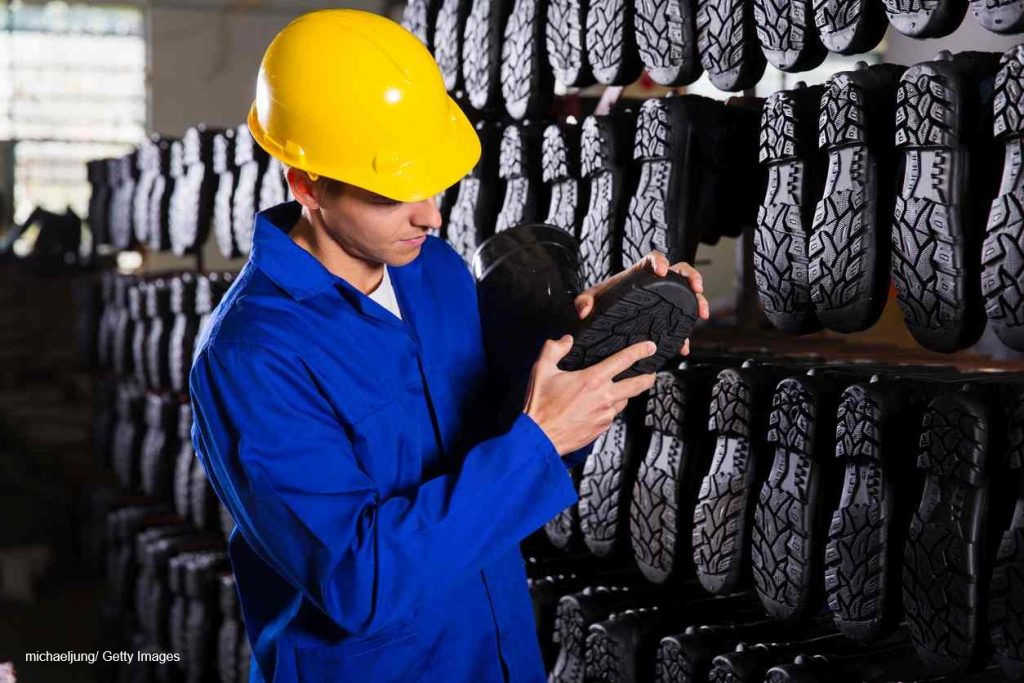
Under the revised guidance, the following SIT requirements are considered optional for micro and small manufacturers:
- Laboratory requirements (clause 1): The requirement to maintain an adequately equipped and staffed laboratory will not be mandatory.
- Test protocols (clause 2): The requirement to maintain test records will not be mandatory.
- Control unit (clause 4) and control levels (clause 5): The performance of tests as specified under the control levels will be optional.
These amendments apply to a range of consumer footwear and footwear components, including the following footwear:
- Sandals and Slippers (IS 6721:2023)
- Hawaii Chappals (IS 10702:2023)
- Sports Footwear (IS 15844:2010, IS 15844 (Part 1):2023, IS 15844 (Part 2):2023)
- Canvas Shoes and Boots with Rubber Sole (IS 3735:1996, IS 3736:1995)
- Molded Solid Rubber Soles and Heels (IS 5676:1995)
- Rubber Microcellular Sheets for Soles and Heels (IS 6664:1992)
- Solid PVC Soles and Heels (IS 6719:1972)
- Polyurethane Sole, Semirigid (IS 13893:1994)
It is important to note that while these specific requirements are optional, all entities, including micro and small manufacturers, must continue to ensure compliance with Indian Standards and SIT related to packaging and labeling and rejection. In addition, the other BIS-ISI Certification requirements for obtaining the BIS Certificate continue to apply.
If you are interested in understanding what requirements are needed for your product to be imported into India, please do not hesitate to contact us by email or phone (Europe: +49-69-271 37 69 261, US: +1 773 654-2673). There is no cost or obligation for us to check for you. If a certification need is discovered we can provide a quotation to make sure that all your certification needs are covered.
If you have any questions you can also use our chat-window in the bottom right. (Please check your browser settings if you can’t see the window)
For more information about BIS certification, please refer to our free brochure “BIS Certification Made Easy“.
Mandatory BIS-ISI Certification for Medical Textiles in India
On September 27, 2023 the Indian Ministry of Textiles has released the “Medical Textiles (Quality Control) Order, 2023”. This publication aims to enhance the quality control measures within the production of medical textiles and key components of healthcare devices. The standards concerned refer to the ISI certification scheme (Scheme I) of the BIS certification.
BIS-ISI certification is required for many different product groups, such as electronics, household appliances, safety glass, etc.
The affected standards will come into effect throughout the course of 2024. BIS certification will be be mandatory for many types of medical textiles.
Here you will find an overview of the affected product groups for which new standards and mandatory BIS certification are expected as well as their implementation dates:
| No. | Good or article | Indian Standard | Title of Indian Standard | Timeline for Implementation |
| 1 | Sanitary Napkins | IS 5405:2019 | Sanitary Napkins – Specification (second revision) | For Small & Micro Enterprises (SME) –October 1, 2024 For Others – April 1, 2024 |
| 2 | Baby Diaper | IS 17509:2021 | Disposable Baby Diaper – Specification | |
| 3 | Reusable Sanitary Pad Sanitary Napkin Period Panties | IS 17514:2021 | Reusable Sanitary Pad/ Sanitary Napkin/ Period Panties -Specification | |
| 4 | Shoe Covers | IS 17349:2020 | Medical Textiles – Shoe Covers – Specification | April 1, 2024 |
| 5 | Dental Bib/ Napkins | IS 17354:2020 | Medical textiles – Dental Bib or Napkins – Specification | |
| 6 | Bedsheets and Pillow Covers | IS 17630:2021 | Medical Textiles – Bed Sheets and Pillow Covers -Specification |
If you are interested in understanding what requirements are needed for your product to be imported into India, please do not hesitate to contact us by email or phone (Europe: +49-69-271 37 69 261, US: +1 773 654-2673). There is no cost or obligation for us to check for you. If a certification need is discovered we can provide a quotation to make sure that all your certification needs are covered.
If you have any questions you can also use our chat-window in the bottom right. (Please check your browser settings if you can’t see the window)
For more information about BIS certification, please refer to our free brochure “BIS Certification Made Easy“.
Regulatory Changes: Disposal of Battery Waste in India
The Ministry of Environment, Forest and Climate Change has announced amendments to the Battery Waste Management Rules of 2022. The provisions came into force on October 25, 2023.
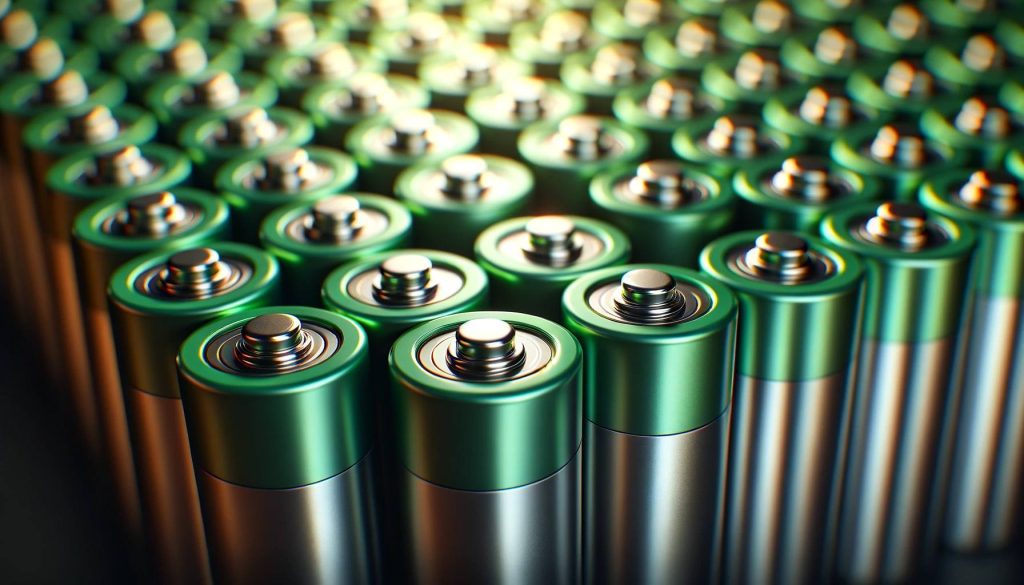
Companies producing batteries, distributors, end users and organizations involved in the collection, classification, transport, treatment and recycling of waste batteries are required to comply with these regulations. These regulations apply to all types of batteries, regardless of their chemical nature, shape, size, weight, composition of materials and intended use. This includes batteries for electric cars, household appliances, automotive batteries and those used in industry.
The most important points of the notification are listed below:
1. The new definition of “battery” does not include battery components. Previously, the definition included new or reconditioned cells/batteries and their components.
2. The EPR (Extended Producer Responsibility) for batteries used for own use also falls within the scope of the regulation.
3. Producers are obliged to submit annual reports on the batteries produced in the previous fiscal year.
4. Registrations do not expire until they are cancelled or withdrawn by the producer.
5. The mandatory targets for the collection, recycling or reprocessing of waste batteries for electric vehicles, including e-rickshaws, of categories L5, L5-M, L5-N and e-carts have been replaced.
6. Manufacturers must ensure that each battery or battery pack is provided with an EPR (Extended Producer Responsibility) registration number by 31 March 2025 at the latest.
If you are interested in understanding what requirements are needed for your product to be imported into India, please do not hesitate to contact us by email or phone (Europe: +49-69-271 37 69 261, US: +1 773 654-2673). There is no cost or obligation for us to check for you. If a certification need is discovered we can provide a quotation to make sure that all your certification needs are covered.
If you have any questions you can also use our chat-window in the bottom right. (Please check your browser settings if you can’t see the window)
You can find further information on Battery Waste Management for India on our website.
New Indian Regulation on BIS Certification for Aluminum and Aluminum Alloys 2023
On August 31, 2023, the Indian Ministry of Commerce and Industry together with the Ministry of Mines published a new regulation for the quality control of aluminum and aluminum alloys. This will come into force three months after the publication date, on January 1, 2024. Aluminum and similar material products (such as steel) generally require BIS Certification to be approved for import and trade in India.
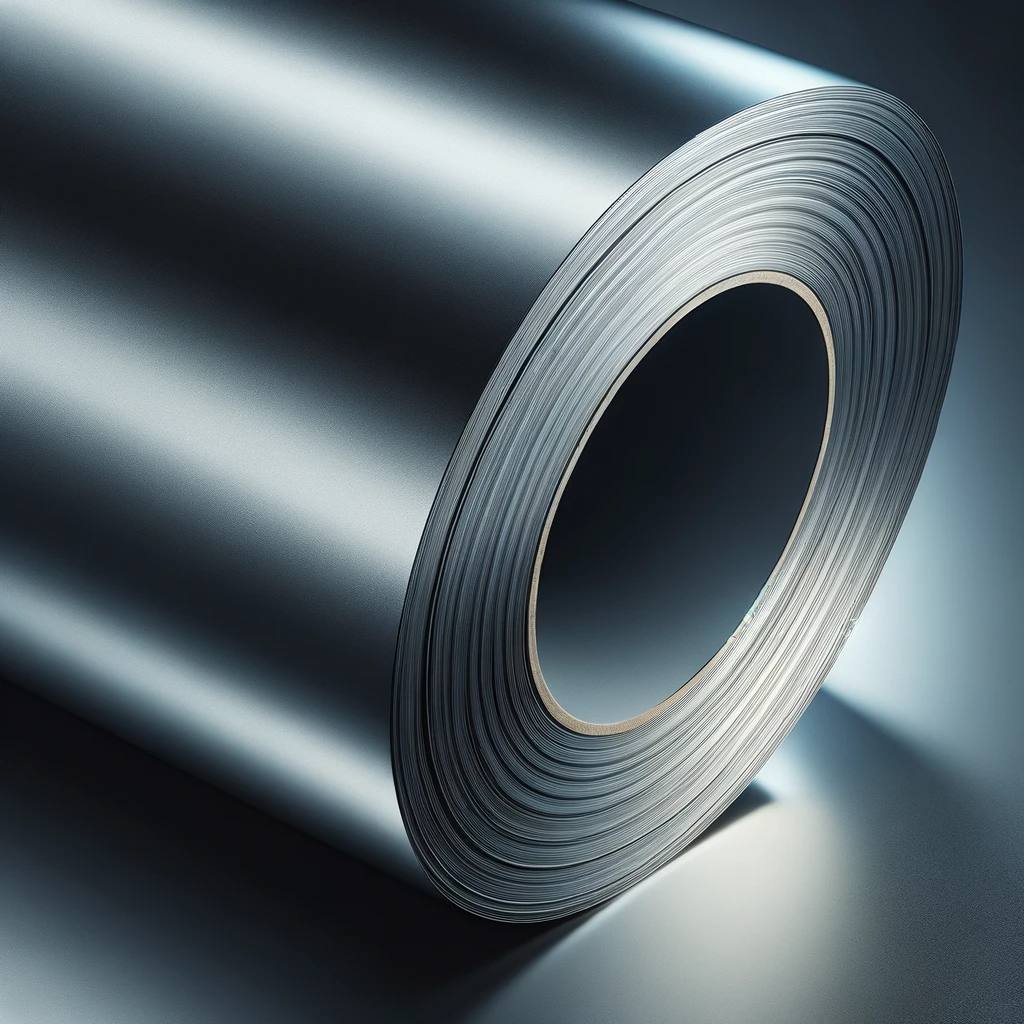
The regulations only apply to materials that are produced and used domestically, or that are imported. Products for the export market are not affected. Certification is carried out by the Bureau of Indian Standards, or BIS for short.
According to the regulation of the Ministry of Commerce and Industry, the following products require both BIS-ISI certification and a corresponding mark (ISI Mark):
Aluminum and aluminum alloys
| Indian Standard | Title |
| 7092 (Part 1):1992 | Aluminium alloy tubes for irrigation purposes -welded tubes |
| 7092 (Part 2):1987 | Aluminium alloy tube for irrigation purposes -extruded tube |
| 5484:1997 | EC Grade Aluminium Rod produced by Continuous Casting and Rolling |
| 733:1983 | Wrought aluminium and aluminium alloy bars, rods and sections (For General Engineering Purposes) |
| 734:1975 | Wrought aluminium and aluminium alloys, forging stock and forgings for general engineering purposes |
| 736:1986 | Wrought aluminium and aluminium alloy plate for general engineering purposes |
| 737:2008 | Wrought aluminium and aluminium alloy sheet and strip for general engineering purposes |
| 739:1992 | Wrought aluminium and aluminium alloy wire for general engineering purposes |
| 740:1977 | Wrought aluminium and aluminium alloy rivet stock for general engineering purposes |
| 5082:1998 | Wrought aluminium and aluminium alloy bars, rods, tubes, sections, plates and sheets for electrical applications |
| 16011:2012 | Aluminium and aluminium alloy foil for pharmaceutical packaging |
| 17682:2021 | Aluminium composite panel |
| 1285:2002 | rought aluminium and aluminium alloys Extruded round tube and hollow sections for general engineering purposes |
| 2067:1975 | Wrought Aluminium Wire for Electrical Purposes |
| 2.2583333333333 | Wrought aluminium and aluminium alloys for manufacture of utensils |
| 1254:2007 | Corrugated Aluminium Sheet |
| 7902:2001 | Aluminium alloy forging stock and forgings (Alloy 24345) for aerospace applications |
This list is supplemented by the Ministry of Mines Ordinance to include other aluminium products:
| Products | Indian Standard | Title |
| Aluminium and aluminium alloy ingots and castings | IS 617:1994 | Cast aluminium and its alloys - Ingots and castings for general engineering purposes |
| High purity primary aluminium ingot | IS 11890:1987 | Specification for high purity primary aluminium ingot for remelting for special applications |
| Aluminium alloy ingots for bearings | IS 6754:1972 | Specification for aluminium alloy ingots for remelting for general engineering purpose |
| Primary aluminium ingots for remelting | IS 2590:1987 | Specification for Primary aluminium ingots for remelting for general engineering purpose |
| Aluminium ingots billets and wire bars (EC GRADE) | IS 4026: 2023 | Aluminium ingots billets and wire bars (EC GRADE) |
If you are interested in understanding what requirements are needed for your product to be imported into India, please do not hesitate to contact us by email or phone (Europe: +49-69-271 37 69 261, US: +1 773 654-2673). There is no cost or obligation for us to check for you. If a certification need is discovered we can provide a quotation to make sure that all your certification needs are covered.
If you have any questions you can also use our chat-window in the bottom right. (Please check your browser settings if you can’t see the window)
For more information about BIS certification, please refer to our free brochure “BIS Certification Made Easy“.
Manufacturers of Protective Textiles Now Require BIS Certification for Export to India
Manufacturers of various protective textiles must now obtain BIS certification in order to export their products to India. This development affects a wide range of products, including fire-resistant curtains, upholstery composites for non-domestic furniture, and specialized protective clothing for firefighters and industrial workers. In addition, high-visibility clothing, tactical equipment such as 3-point carrying slings and bulletproof vests also fall under this requirement.
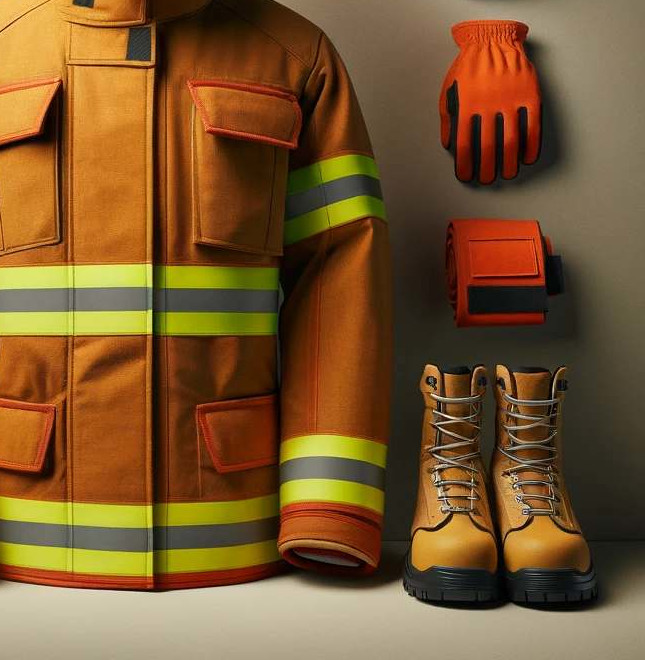
The Indian Standards (IS) for these protective textile products have been established to ensure safety and quality. For example, IS 15741:2007 specifies resistance to ignition of curtains and curtains, while IS 16890:2018 defines the requirements for protective clothing for firefighters. Other specifications include IS 15748:2022 for protective clothing for industrial workers exposed to heat and IS 17051:2018 for bulletproof vests. These standards not only establish the minimum safety criteria, but also comply with international standards and aim to increase the protection and reliability of these products.
The implementation of BIS certification for these products is an important step towards strengthening safety standards. It reflects India’s commitment to ensuring that protective textiles meet strict quality controls. This measure is expected to have a significant impact on domestic and foreign manufacturers, who will now need to meet these standards to gain access to the Indian market. This move not only improves the safety of these products, but also boosts consumer confidence in their effectiveness and reliability.
| Indian Standard (IS) | Title |
| IS 15741:2007 | Textiles - Resistance to ignition of curtains and curtains |
| IS 15768:2008 | Textiles - Resistance to ignition of upholstery composites for non-domestic furniture |
| IS 16890:2018 | Textiles - Protective clothing for firefighters |
| IS 16874:2018 | Textiles - Protective gloves for firefighters |
| IS 15748:2022 | Textiles – Protective clothing for industrial workers exposed to heat (except firefighter and welding clothing) |
| IS 15742:2007 | Textiles - Requirements for clothing made of materials with limited flame propagation and combinations of materials providing protection against heat and flame |
| IS 15809:2017 | High Visibility Clothing |
| IS 16655:2017 | Textiles – protective clothing for welding and related processes |
| IS 16725:2018 | Textiles - Tactical 3-Point Carrying Sling Universal |
| IS 16726:2018 | Textiles - Camouflage Nylon 66 Ammunition & Grenade Pouches |
| IS 17051:2018 | Textiles - Bulletproof jackets - Performance requirements |
| IS 17286:2016 | Textiles – Waterproof Multi-Purpose Rain Poncho with Convertibility as a Bivouac |
If you are interested in understanding what requirements are needed for your product to be imported into India, please do not hesitate to contact us by email or phone (Europe: +49-69-271 37 69 261, US: +1 773 654-2673). There is no cost or obligation for us to check for you. If a certification need is discovered we can provide a quotation to make sure that all your certification needs are covered.
If you have any questions you can also use our chat-window in the bottom right. (Please check your browser settings if you can’t see the window)
For more information about BIS certification, please refer to our free brochure “BIS Certification Made Easy“.
New Quality Control Order for Personal Protection Helmets in India
On October 23, 2023, the DPIIT (Department for Promotion of Industry and Internal Trade) issued an important Quality Control Regulation (QCO) mandating ISI Mark for helmets for police, civil defense, and personal protection. In consequence, personal protection helmets will usually require BIS ISI Certification in order to be approved for the use in the Indian market.

This step serves to extend Indian product quality regulations to ensure the safety of users. The regulation will come into force on April 23, 2024, giving manufacturers a six-month window.
This regulation may be referred to as the Ordinance on Helmets for Police, Civil Protection and Personal Protection (Quality Control), 2023.
The implementation deadlines for small and micro enterprises (SMEs) are as follows:
- Small Enterprises: July 23, 2024
- Micro Enterprises: October 23, 2024
Products listed in column (1) of the table must comply with the relevant Indian standard in column (2) and must bear the BIS ISI mark under a BIS license from the Bureau of Indian Standards:
| Products (1) | Indian Standard (2) | Indian Standard Title (3) |
| Non-Metallic Helmets for Firefighters and Civil Defense Civil Protection Personnel | 2745:1983 | Specification for non-metal helmet for firemen and civil defence personnel |
| Safety helmets | 2925:1984 | Specification for industrial safety helmets |
| Non-Metallic Helmets for Police | 9562:1980 | Non- metal helmet for Police Force |
However, this decree does not apply to goods or objects manufactured domestically for export. These do not require an ISI Mark.
Penalty for Violation: Any person who violates the provisions of this Regulation will face a penalty under the provisions of the Bureau of Indian Standards Act, 2016.
If you are interested in understanding what requirements are needed for your product to be imported into India, please do not hesitate to contact us by email or phone (Europe: +49-69-271 37 69 261, US: +1 773 654-2673). There is no cost or obligation for us to check for you. If a certification need is discovered we can provide a quotation to make sure that all your certification needs are covered.
If you have any questions you can also use our chat-window in the bottom right. (Please check your browser settings if you can’t see the window)
For more information about BIS certification, please refer to our free brochure “BIS Certification Made Easy“.
BIS Certification: A New Mandate for Plywood and Wooden Flush Door Shutters in India
In a recent communication from the Ministry of Trade and Industry, the central government of India has highlighted the importance of quality control in the plywood industry. This step is taken after consultation with the Bureau of Indian Standards (BIS), which is responsible for the BIS certification for manufacturers of these and other products and also manages the ISI Mark.

The Plywood and Wooden Flush Door Shutters (Quality Control) Order, 2023 stipulates that the goods or items contained must comply with the associated Indian standard. In addition, they should bear the ISI mark of the BIS. Any breach of this order will result in sanctions under the provisions of the Bureau of Indian Standards Act, 2016.
This Regulation shall enter into force six months after the date of its official announcement on August 29, 2023. However, separate provisions have been made for small and micro enterprises defined in the Micro, Small, and Medium Enterprises Development Act. For small enterprises, the regulation will take effect nine months after its notification, and for micro-enterprises, twelve months.
Further information on the ISI Mark or BIS certificate can be found on our website.
If you are interested in understanding what requirements are needed for your product to be imported into India, please do not hesitate to contact us by email or phone (Europe: +49-69-271 37 69 261, US: +1 773 654-2673). There is no cost or obligation for us to check for you. If a certification need is discovered we can provide a quotation to make sure that all your certification needs are covered.
If you have any questions you can also use our chat-window in the bottom right. (Please check your browser settings if you can’t see the window)
For more information about BIS CRS registration and BIS ISI Certification, please refer to our free brochure “BIS Certification Made Easy“.
Delayed Introduction of Mandatory Certification of Maleic Anhydride, Polyethylene Material (PE) and Other Chemicals
The Regulatory Authority (Ministry of Chemicals and Fertilizers) has extended the implementation date for the introduction of maleic anhydride, polyethylene (PE) material for molding and extrusion and ethylene-vinyl acetate copolymers in the Indian market. These chemicals, like many others, must undergo BIS-ISI certification to be approved for the Indian market. The ISI mark is granted according to the rules and regulations laid down in the Foreign Manufacturers Certification Scheme (FMCS) to ensure the quality and safety of products.

The new launch date for these products is listed below:
1. Ethylen-Vinylacetat-Copolymere – IS 13601:1993 – April 3, 2024
2. Maleic Anhydride – IS 5149:2020 – April 24, 2024
3. Polyethylene Material for Molding and Extrusion – IS 7328:2020 – January 5, 2024
The Quality Control Orders were first published in the Gazette of India (Extraordinary) in 2022. Since then, the introduction date has been postponed several times.
The BIS-ISI certification according to the FMCS scheme includes an inspection of the production plant, product tests in India and a corresponding labelling of the products after successful certification.
If you are interested in understanding what requirements are needed for your product to be imported into India, please do not hesitate to contact us by email or phone (Europe: +49-69-271 37 69 261, US: +1 773 654-2673). There is no cost or obligation for us to check for you. If a certification need is discovered we can provide a quotation to make sure that all your certification needs are covered.
If you have any questions you can also use our chat-window in the bottom right. (Please check your browser settings if you can’t see the window) For more information about BIS certification, please refer to our free brochure “BIS Certification Made Easy“.
Extension of Mandatory Certification Date for 32 Products (ERS) covered under Phase-lll & IV of MTCTE
A new amendment is hereby notified with immediate effect as a partial modification to notification no. 5-2/2021-TC/TEC/164 dated June 23, 2023 by the Department of Telecommunications Telecommunication Engineering Centre (TEC). Telecommunications equipment usually requires TEC certification to be approved for import and distribution in India.
The amendment is regarding the testing and certification of telecommunication equipment under Phase-III and Phase-IV of the Mandatory Testing & Certification of Telecommunication Equipment (MTCTE) regime, as provided in the Indian Telegraph (Amendment) Rules, 2017.

The deadline for mandatory certification of 32 products (ERs) falling under the purview of MTCTE Phase-III and Phase-IV is hereby extended by three months, specifically from October 1, 2023 to January 1, 2024. A comprehensive list of these 32 products can be found at the end of this page.
Furthermore, it should be noted that all other terms, conditions, and obligations stated in the previously mentioned notification dated June 23, 2023, including the mandatory certification dates for the remaining 12 products, shall remain unaltered and intact.
If you are interested in understanding what requirements are needed for your product to be imported into India, please do not hesitate to contact us by email or phone (Europe: +49-69-271 37 69 261, US: +1 773 654-2673). There is no cost or obligation for us to check for you. If a certification need is discovered we can provide a quotation to make sure that all your certification needs are covered.
For more information about TEC certification, please refer to our free brochure “TEC Certification Made Easy“.
List of 32 Products (ERs) under Phase-III & Phase-IV of MTCTE with mandatory Certification Date as January 01, 2024
| S No | ER/ Product | Notified in Phase |
| 1. | Equipments Operating in 2.4 GHz and 5 GHz Band | Phase-3 |
| 2. | IoT (Internet of Things) Gateway | Phase-3 |
| 3. | Tracking Device | Phase-3 |
| 4. | Smart Electricity Meter | Phase-3 |
| 5. | End Point Device for Environmental Monitoring | Phase-3 |
| 6. | DSL (Ddigital Subscriber Line) Equipments | Phase-4 |
| 7. | Signalling Gateway | Phase-4 |
| 8. | Session Border Controller | Phase-4 |
| 9. | Softswitch | Phase-4 |
| 10. | Media Gateway | Phase-4 |
| 11. | Precision Timing Protocol Grand Master Equipment | Phase-4 |
| 12. | LAN (Local Area Network) Switch | Phase-4 |
| 13. | Router | Phase-4 |
| 14. | Infiniband Switch | Phase-4 |
| 15. | IP Multimedia Conferencing Equipment | Phase-4 |
| 16. | IP Security Equipment | Phase-4 |
| 17. | Conferencing Equipment | Phase-4 |
| 18. | Transmission Terminal Equipment-2 (DWDM, Digital Cross Connect) | Phase-4 |
| 19. | Mobile Management Entity (MME) | Phase-4 |
| 20. | Serving GPRS Support Node (SGSN) / Gateway GPRS Support Node (GGSN) | Phase-4 |
| 21. | Base Station Control (BSC)/ Radio Network Controller (RNC) | Phase-4 |
| 22. | Cell Broadcast Centre (CBC) | Phase-4 |
| 23. | Gateway Mobile Location Centre (GMLC) | Phase-4 |
| 24. | Home Location Register (HLR)/ Authentication Centre (AUC)/ Home Subscriber Server (HSS) | Phase-4 |
| 25. | Mobile Switching Centre (MSC) / MSC-Server (MSC-S) / Gateway MSC (GMSC) / Gateway MSC-Server (GMSC-S) including Visitor Location Register (VLR) | Phase-4 |
| 26. | OTA and DM or FOTA | Phase-4 |
| 27. | Service Control Point (SCP) | Phase-4 |
| 28. | Operations and Maintenance Center (OMC) / Element Management Systems (EMS) / Network Management Systems (NMS) / Operations Support System (OSS) | Phase-4 |
| 29. | Serving Gateway (S-GW) / Packet Data Network Gateway (P-GW) | Phase-4 |
| 30. | Short Message Service Center (SMSC) | Phase-4 |
| 31. | Serving Mobile Location Center (SMLC) / eSMLC | Phase-4 |
| 32. | Equipment Identity Register (EIR) | Phase-4 |
 We are part of the CERTANIA-Group.